
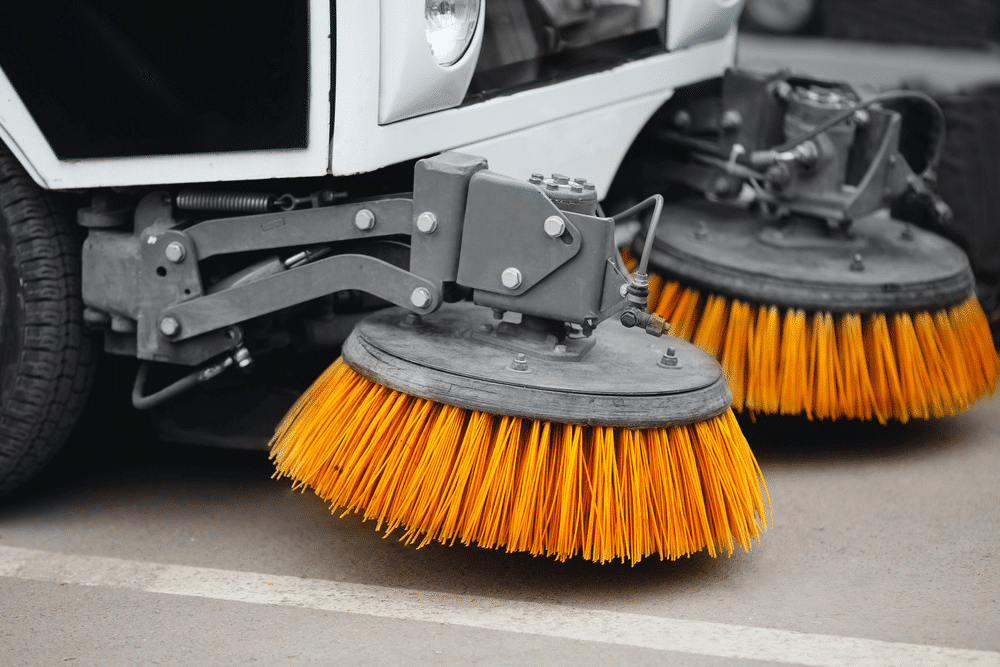
Street sweeping might not be the most talked-about city service, but in Anchorage, it plays a vital role in maintaining clean, safe, and healthy neighborhoods. From removing the gravel left behind after long winters to keeping storm drains clear, street sweeping is essential for both the appearance and functionality of Anchorage’s roads. Whether you are a homeowner, renter, or business owner, understanding how street sweeping works will help you stay informed, avoid fines, and contribute to the overall health of your community.
Importance of Street Sweeping for Community Health
After the snow melts in Anchorage, streets are often left littered with gravel, sand, dirt, and debris. These materials are more than just an eyesore; they can contribute to poor air quality, clogged storm drains, and increased wear on vehicles. Regular street sweeping:
- It minimizes the quantity of fine dust and particulates in the atmosphere.
- It prevents stormwater contamination by keeping pollutants out of local streams and creeks.
- This process removes hazardous debris from roads, making streets safer for motorists, cyclists, and pedestrians.
Clean streets directly improve the quality of life for Anchorage residents and help maintain the city’s natural beauty.
Street Sweeping Schedule: When and Where
The Municipality of Anchorage typically conducts street sweeping between April and September, depending on weather conditions. The most intensive sweeping happens in the spring, following snowmelt, to remove the gravel and sand applied during the winter for traction.
Sweeping routes prioritize:
-
There are major roads and arterials.
-
Downtown Anchorage.
-
Residential neighborhoods.
-
There are trails and bike paths.
Schedules can vary based on snowmelt timing, weather, and other factors. The city posts updates and specific neighborhood schedules on the official Municipality of Anchorage Street Maintenance website and through local news outlets. During the spring cleanup season, we encourage residents to check for regular announcements.
Types of Street Sweeping Vehicles Used in Anchorage
Anchorage employs several types of street-sweeping vehicles to address its unique conditions:
Mechanical Broom Sweepers
Mechanical broom sweepers are the most common machines used in Anchorage, especially during the spring cleanup. They are designed to handle heavy debris like gravel, sand, and dirt left behind after winter. Using large rotating brushes, these sweepers physically move debris into a hopper for disposal. Their durability and power make them ideal for the initial sweeping of major roads and heavily trafficked areas.
Vacuum Street Sweepers
Vacuum sweepers are mainly used in urban settings such as downtown Anchorage, trails, and bike paths. These machines rely on suction to remove finer debris, dust, and litter. They are particularly effective at minimizing airborne particles, helping to improve air quality during dry periods. Mechanical sweepers typically clear the larger debris before using vacuum sweepers.
Regenerative Air Sweepers
Regenerative air sweepers combine air blasts and vacuuming to clean streets more thoroughly. They dislodge debris using high-pressure air and then immediately vacuum it into a collection hopper. These sweepers are valued for their ability to reduce dust emissions, making them suitable for residential neighborhoods and areas concerned with stormwater runoff and pollution control.
High Dump and Low Dump Sweepers
Anchorage also utilizes both high-dump and low-dump sweepers depending on the job site. High dump sweepers can unload debris directly into dump trucks, increasing efficiency on major roads and large projects. Low-dump sweepers are used in tighter spaces, such as older neighborhoods or alleyways, where maneuverability is more important than capacity.
Each type of sweeper serves a specific purpose depending on the roadway, debris type, and season.
How Street Sweeping Affects Parking Regulations
One of the most common concerns among Anchorage residents is how street sweeping affects parking. During sweeping operations:
-
We enforce temporary parking restrictions in posted areas.
-
Signs will indicate sweeping days and times, especially in downtown and high-traffic zones.
-
Vehicles left in restricted areas may be ticketed or towed to allow sweepers to operate effectively.
Residents should always check for posted signs and adhere to temporary restrictions. In residential areas, sweeping may be delayed or incomplete if cars are left on the street.
Environmental Benefits of Regular Street Sweeping
Street sweeping is not just about aesthetics; it’s a key environmental protection measure for Anchorage:
-
It prevents pollutants like oil, metals, and microplastics from entering streams and creeks.
-
It minimizes dust and fine particles that can deteriorate the quality of the air, particularly during the spring thaw.
-
Minimizes sediment buildup in storm drains, lowering the risk of localized flooding.
By keeping Anchorage’s streets clean, sweepers indirectly help protect local wildlife, salmon habitats, and the surrounding ecosystem.
Common Misconceptions About Street Sweeping
Many residents in Anchorage have a few misunderstandings about how street sweeping works and why it matters.
“Sweepers Just Move Dust Around”
Many people believe that sweepers simply push dust from one place to another. In reality, Anchorage employs modern street sweepers designed to gather and confine debris. Mechanical, vacuum, and regenerative air sweepers all work to remove dirt, dust, and harmful particles from the streets and safely dispose of them, reducing pollution rather than spreading it.
“Street Sweeping Is Just for Looks”
While clean streets certainly make neighborhoods more attractive, the purpose of street sweeping goes beyond appearance. Regular sweeping improves air and water quality, prevents debris from entering storm drains, and reduces the buildup of harmful substances like oils and heavy metals on roads. It’s an essential part of protecting both public health and the environment in Anchorage.
“If it’s raining, sweeping won’t happen.”
It’s a common assumption that sweepers don’t operate when it’s wet outside. However, Anchorage’s crews often sweep during light rain. The moisture helps keep dust down and can actually make sweeping more effective. Unless heavy rain or other unsafe conditions occur, sweeping operations usually continue as scheduled.
Tips for Residents During Street Sweeping Days
To make the most of street sweeping operations:
-
Move vehicles off the street when posted signs indicate sweeping.
-
Avoid placing trash bins, yard debris, or construction materials on the roadway.
-
Notify guests or delivery services about temporary parking restrictions.
-
If you happen to miss an announced sweep, please visit the city website to find possible make-up dates.
Your cooperation helps Anchorage crews clean streets faster and more effectively.
Reporting Issues: How to Notify the City
If you notice any problems related to street sweeping—such as missed areas, debris left behind, or accidental damage caused by sweepers—it’s important to report them promptly. Timely reporting helps the city address issues quickly and keep Anchorage’s streets safe and clean.
Residents can report street sweeping concerns through the following channels:
-
Official Municipality of Anchorage Website—Use the Street Maintenance section to submit a report.
-
The Anchorage 311 app is a convenient mobile option that allows you to submit photos and details directly from your phone.
-
Street Maintenance Hotline—Call (907) 343-8277 to speak directly with the Street Maintenance Department.
Your feedback plays a vital role in helping Anchorage maintain effective and efficient street sweeping services.
Frequently Asked Questions (FAQs)
Is street sweeping only for paved roads?
No. Anchorage also performs sweeping on bike paths, trails, and other paved recreational areas. These spaces are important for community use and are regularly included in the city’s sweeping schedule.
Can sweepers operate during severe weather?
Street sweepers often continue working during light rain, as it helps control dust. However, during heavy rain, snow, or freezing conditions, sweeping may be postponed until conditions improve.
What happens to the debris collected by sweepers?
Collected debris, which often contains gravel, dirt, litter, and pollutants, is hauled to designated disposal or recycling sites. Some of the gravel may even be processed and reused for future road maintenance.
Please explain why there is a significant amount of gravel on the roads after winter.
Anchorage uses gravel extensively during winter for traction on icy roads. When snow and ice melt, the gravel remains on the streets. Street sweepers are responsible for removing this material to make roads safer and prevent it from entering storm drains.
Wrapping Up
Street sweeping is one of Anchorage’s most important seasonal maintenance efforts, with direct benefits for public health, safety, and the environment. As a resident, you can contribute by staying informed, moving vehicles when required, and spreading awareness.
Anchorage also offers community cleanup programs where residents, schools, and businesses volunteer to help keep neighborhoods clean. Participating in these programs alongside street sweeping operations further strengthens community pride and keeps Anchorage beautiful.