
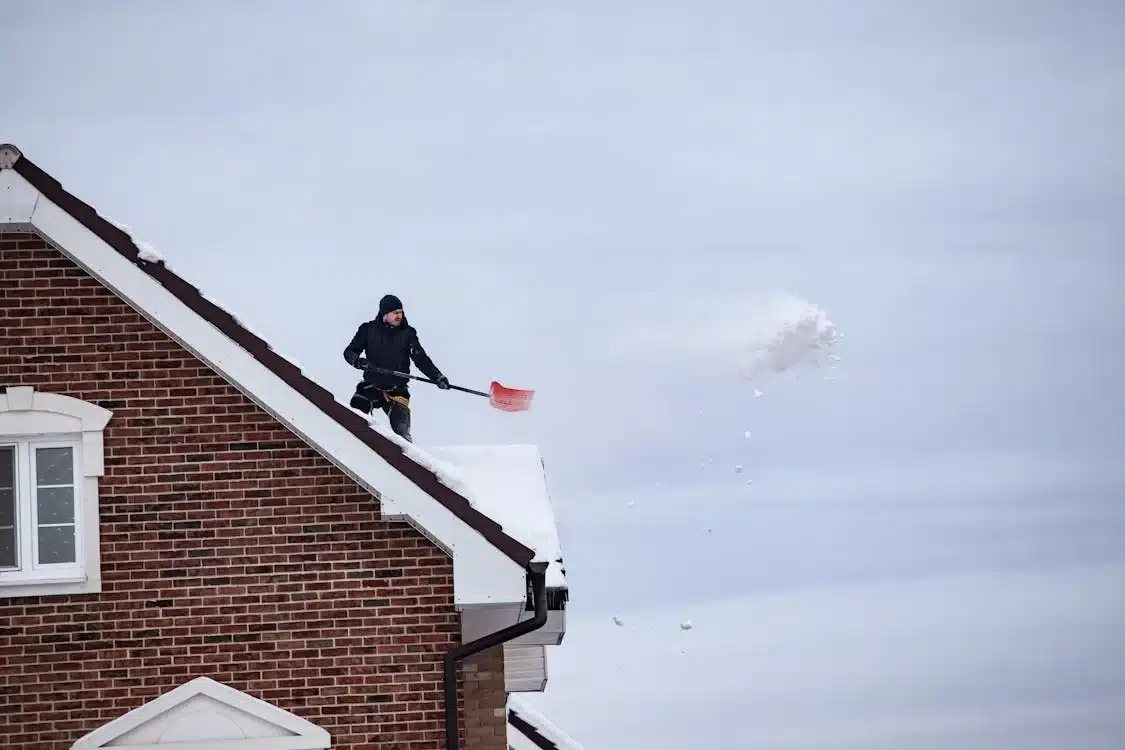
Snow removal is a crucial aspect of property management in regions prone to winter weather. Whether you’re responsible for a residential driveway or a sprawling commercial complex, effective snow removal practices are essential for safety, accessibility, and the prevention of liability issues.
However, the approach differs significantly between residential and commercial properties due to varying scales, infrastructure, and regulations. This article explores the best practices tailored to each setting to ensure efficient and safe snow removal operations.
Residential Snow Removal Best Practices:
Residential snow removal can be a challenging task, but with the right approach, it can be done effectively and safely. Here are some best practices:
Preparation and Planning
Before the snow season begins, homeowners should assess their property and ensure they have the necessary tools and equipment for snow removal. This includes snow shovels, snow blowers, ice melt, and appropriate protective gear.
Regular Maintenance
Regular maintenance of snow removal equipment is essential for reliability during snow events. Ensure that snow blowers are serviced, shovels are in good condition, and ice melt is stocked.
Timely Action
Prompt action is crucial in residential snow removal to prevent snow accumulation from becoming unmanageable. Clearing driveways, walkways, and sidewalks promptly after snowfall minimizes the effort required and reduces the risk of accidents.
Proper Technique
When shoveling snow manually, it’s important to use proper lifting techniques to prevent injuries. Additionally, applying ice melt strategically can help prevent ice formation and make subsequent snow removal easier.
Consideration of Local Regulations
Homeowners should familiarize themselves with local regulations regarding snow removal, including responsibilities for clearing sidewalks and public pathways. Failure to comply with these regulations may result in fines or penalties.
Commercial Snow Removal Best Practices
Commercial snow removal requires a more systematic approach due to the larger areas and higher foot traffic. Here are some best practices:
Professional Services
Commercial properties often require professional snow removal services due to the scale and complexity of the task. Contracting with a reputable snow removal company ensures timely and thorough clearing of parking lots, access roads, and pedestrian walkways.
Comprehensive Snow Management Plan
Commercial properties should develop a comprehensive snow management plan that outlines responsibilities, procedures, and communication channels during snow events. This plan should address snow removal, ice control, and monitoring weather forecasts.
Priority Areas
Identify priority areas for snow removal, such as entrances, exits, loading docks, and emergency access routes. Clearing these areas first ensures uninterrupted operation and safety for employees, customers, and tenants.
Equipment and Resources
Ensure that the snow removal contractor has the necessary equipment and resources to handle the property’s size and requirements. This may include snow plows, loaders, and de-icing materials.
Safety Considerations
Safety is paramount in commercial snow removal operations. Contractors should prioritize the safety of their workers and property occupants by using proper signage, maintaining clear communication, and adhering to safety protocols.
Documentation and Record-Keeping
Commercial property managers should maintain documentation of snow removal activities, including dates, times, and services performed. This documentation may be valuable for liability purposes in cases of accidents or disputes.
Bottom Line
Effective snow removal is essential for both residential and commercial properties to ensure safety, accessibility, and compliance with regulations. While residential snow removal focuses on prompt action and proper technique, commercial snow removal requires comprehensive planning, professional services, and adherence to safety standards.
By implementing best practices tailored to each setting, property owners can navigate the winter weather more effectively and minimize the risks associated with snow and ice accumulation.