
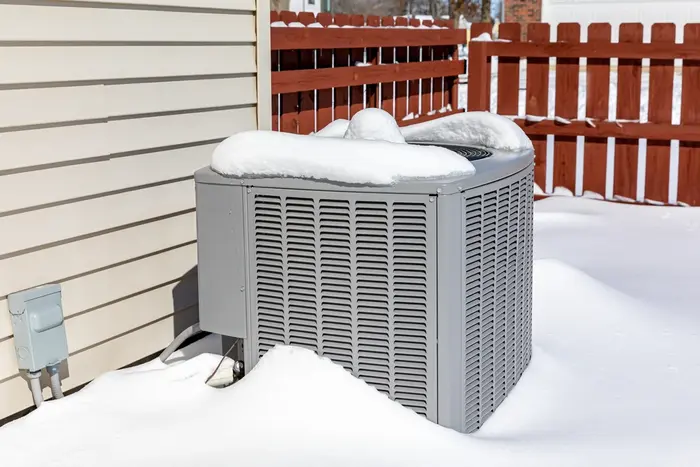
As winter approaches and temperatures drop, it’s crucial to ensure that your HVAC (Heating, Ventilation, and Air Conditioning) system is protected from snow and ice.
Harsh winter conditions can cause significant damage to your HVAC unit, leading to costly repairs and inefficiencies in heating your home. This comprehensive guide will provide you with the best practices to safeguard your HVAC system during the winter months.
Understanding the Risks Posed by Snow and Ice
Snow and ice can pose significant risks to your HVAC system, particularly the outdoor unit. Accumulated snow and ice can exert excessive weight and pressure, potentially causing physical damage to components like fan blades and coil fins.
Ice buildup can block air intakes and exhausts, reducing the system’s efficiency and potentially leading to frozen components, which can impair functionality and cause breakdowns.
Additionally, melted snow can lead to water infiltration, causing rust and corrosion in metal parts. Understanding these risks is crucial for implementing effective protective measures and ensuring your HVAC system operates smoothly during the winter months.
Preventive Measures to Protect Your HVAC System from Snow and Ice
Protecting your HVAC system from the detrimental effects of snow and ice requires proactive measures to minimize risks and ensure optimal performance during winter. Here are comprehensive preventive measures to safeguard your HVAC system:
1. Elevate the Unit
If feasible, consider elevating your HVAC unit on a platform or stand to keep it above the typical snow line. By raising the unit, you reduce the risk of snow accumulation around the base, minimizing potential damage and obstruction.
2. Install a Protective Cover
Invest in a high-quality, breathable HVAC cover designed to shield the unit from direct snowfall and ice buildup. Ensure the cover allows for proper ventilation to prevent moisture retention, which can lead to corrosion. Opt for covers specifically tailored to your HVAC system’s dimensions for optimal protection.
3. Clear the Area Regularly
Establish a routine for clearing snow and ice from around the HAVC unit. Use a soft broom or brush to gently remove accumulated snow from the unit’s surface, ensuring air vents remain unobstructed. Regular clearing prevents blockages and facilitates proper airflow, enhancing system efficiency.
4. Insulate Pipes
Inspect and insulate refrigerant and condensate drain pipes to prevent freezing during cold spells. Apply pipe insulation to protect against frost damage and ensure uninterrupted operation of your HVAC system. Check for any signs of wear or leaks in the pipes and address them promptly.
5. Install Snow Guards or Awnings
Consider installing snow guards or awnings above the HVAC unit, especially if it’s situated beneath a roof or eave. These protective measures help deflect falling snow and ice away from the unit, reducing the risk of accumulation and damage.
6. Use a Sump Pump
In areas prone to heavy snowfall and subsequent melting, install a sump pump to manage excess water effectively. Proper drainage prevents water from pooling around the HVAC unit, minimizing the risk of water damage and corrosion.
7. Schedule Regular Maintenance
Prioritize scheduled maintenance appointments with a qualified HVAC technician, preferably before the onset of winter. Professional inspections and tune-ups ensure your system is in optimal condition to withstand cold weather and identify potential issues early on.
8. Monitor System Performance
Stay vigilant for any signs of reduced efficiency or irregular operation of your HVAC system during winter. Monitor temperature settings, airflow, and unusual noises closely, as these could indicate underlying problems related to snow and ice accumulation.
9. Implement Operational Best Practices
Optimize your HVAC system’s operation during winter by setting consistent thermostat temperatures and utilizing defrost modes effectively. Avoid sudden temperature fluctuations and overworking the system to prevent unnecessary strain and potential malfunctions.
10. Have Emergency Procedures in Place
Knowing how to react in case snow or ice affects your HVAC system will help you prepare for emergencies. Familiarize yourself with shutdown procedures, and have contact information for HVAC professionals readily available to address any urgent repairs or issues.
Operational Tips
In addition to preventive measures, there are several operational tips to keep your HVAC system running smoothly during winter:
- Defrost Mode: Ensure that your heat pump’s defrost mode is functioning correctly. This mode helps to melt any ice that forms on the outdoor unit. If the unit does not defrost properly, contact a professional for assistance.
- Thermostat Settings: Keep your thermostat set to a consistent temperature to avoid overworking the HVAC system. Rapid temperature changes can lead to unnecessary strain and potential malfunctions.
- Backup Heating: Consider having an alternative heating source, such as space heaters or a fireplace, in case your HVAC system encounters issues during extreme weather conditions.
- Monitor System Performance: Pay attention to any unusual noises, reduced efficiency, or irregular operation of your HVAC system. These could be signs of ice-related problems that need immediate attention.
Emergency Measures
In the event of an emergency with your HVAC system due to snow and ice, swift action is essential. If you notice significant ice buildup or suspect damage, immediately turn off the system to prevent further harm. Use warm (not boiling) water to gently thaw any ice on the unit, avoiding sharp objects that could cause damage.
Then, contact a licensed HVAC technician promptly to inspect and repair any issues. Avoid attempting major repairs yourself to prevent further damage and ensure safety.
Final Words
Protecting your HVAC system from snow and ice is essential for maintaining its efficiency and longevity during winter. By following these preventive measures, operational tips, and emergency procedures, you can ensure that your system remains in good working condition, providing reliable heating for your home throughout the cold months.
Regular maintenance and vigilance are key to preventing winter weather from taking a toll on your HVAC unit.