
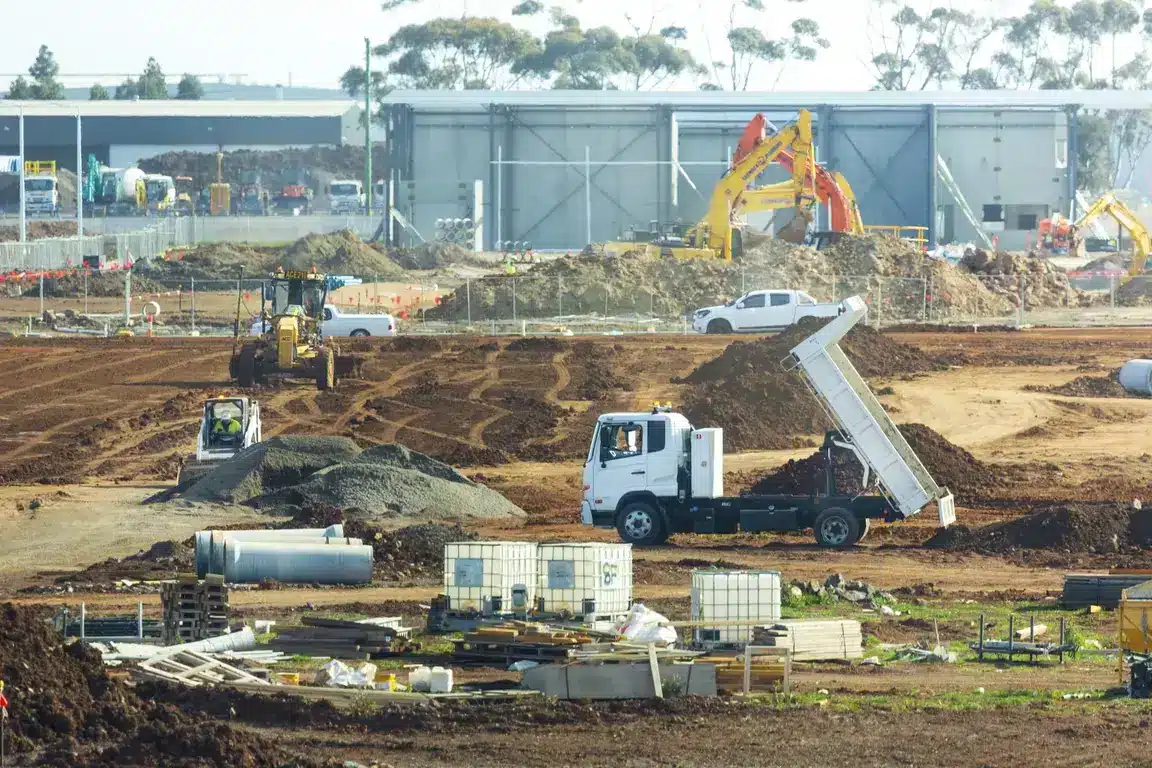
Road grading is a critical component of road construction and maintenance, ensuring the smooth and efficient flow of traffic. Over the years, the technology behind road grading has undergone significant advancements, transforming the way roads are built and maintained. In this article, we will explore the latest advancements in road grading technology that are reshaping the industry.
Automated Grading Systems
One of the most significant advancements in road grading technology is the introduction of automated grading systems. These systems utilize GPS and advanced sensors to precisely control the movement and positioning of the grading equipment, eliminating the need for manual operation. Automated grading systems can achieve a higher level of accuracy and consistency, resulting in smoother road surfaces and reduced maintenance requirements.
These systems often incorporate real-time data analysis, allowing operators to monitor the grading process and make adjustments on the fly. This not only improves the quality of the final product but also increases efficiency and reduces the overall time required for road grading projects.
Intelligent Compaction Technology
Another significant advancement in road grading technology is the development of intelligent compaction systems. These systems use advanced sensors and data analysis to optimize the compaction process, ensuring that the road surface is properly consolidated and able to withstand the demands of heavy traffic.
Intelligent compaction systems can measure the density and stiffness of the soil or pavement material in real-time, allowing operators to make adjustments to the compaction process as needed. This helps to ensure a consistent and uniform level of compaction, reducing the risk of premature failure and the need for costly repairs.
Drone-Assisted Surveying and Mapping
The use of drones in road grading has also become increasingly prevalent in recent years. Drones equipped with high-resolution cameras and advanced mapping software can provide detailed, three-dimensional surveys of the terrain, allowing for more accurate planning and design of road grading projects.
By using drone-assisted surveying, road construction teams can identify potential obstacles, map the existing terrain, and plan the grading process more effectively. This can lead to significant time and cost savings, as well as improved safety for the workers involved in the project.
Predictive Maintenance and Monitoring
Advancements in sensor technology and data analytics have also led to the development of predictive maintenance and monitoring systems for road grading equipment. These systems use a variety of sensors to monitor the performance and condition of the equipment, allowing for proactive maintenance and reducing the risk of unexpected breakdowns.
By analyzing data on factors such as engine performance, hydraulic pressure, and wear and tear, these systems can predict when maintenance is required and provide recommendations for preventive actions. This not only extends the lifespan of the equipment but also reduces downtime and improves the overall efficiency of road grading operations.
Sustainable Materials and Techniques
In addition to technological advancements, the road grading industry is also embracing more sustainable materials and techniques. This includes the use of recycled and eco-friendly materials, such as reclaimed asphalt and recycled concrete, as well as the adoption of techniques that minimize the environmental impact of road construction and maintenance.
For example, some road grading projects are now incorporating the use of warm-mix asphalt, which requires lower temperatures during the mixing and placement process, resulting in reduced energy consumption and greenhouse gas emissions. Additionally, the use of porous pavement materials can help to improve water drainage and reduce the risk of flooding, contributing to more sustainable road infrastructure.
Final Words
The road grading industry has witnessed a remarkable transformation in recent years, with the introduction of cutting-edge technologies that are revolutionizing the way roads are built and maintained. From automated grading systems and intelligent compaction technology to drone-assisted surveying and predictive maintenance, these advancements are driving increased efficiency, improved quality, and greater sustainability in the road construction and maintenance sectors.
As the demand for better infrastructure continues to grow, the adoption of these innovative technologies will be crucial in meeting the challenges of the future. By embracing these advancements, road grading professionals can deliver safer, more durable, and more environmentally friendly roads that serve the needs of communities around the world.