
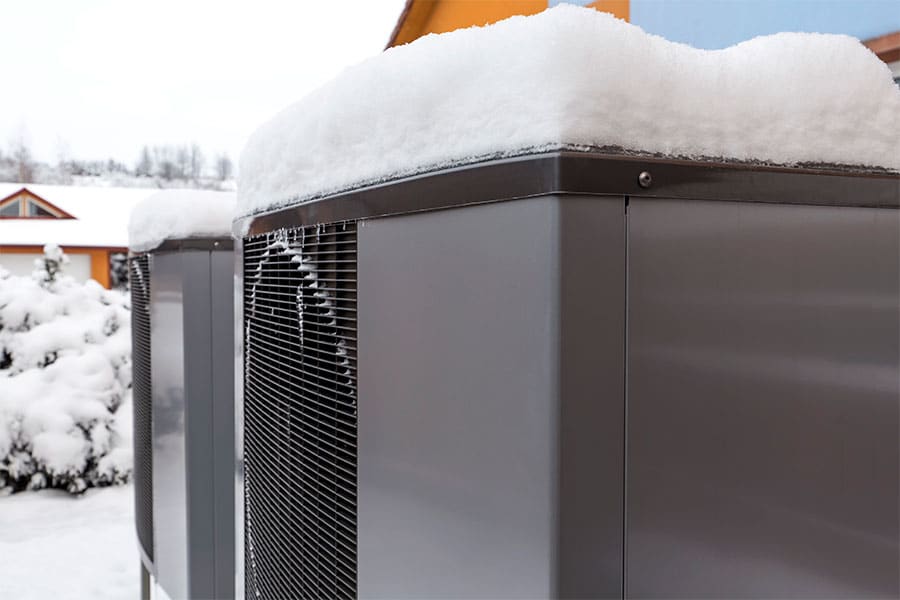
As winter approaches, homeowners often rely on heat pumps to maintain a comfortable indoor environment. However, the presence of snow ice impact heat pump the performance and efficiency of these. Understanding how these winter elements affect heat pumps is crucial for ensuring their optimal operation and longevity.
Snow and ice can obstruct airflow, damage components, and even lead to complete system failures if not properly managed. This article explores the various ways that snow and ice can influence heat pump functionality, highlighting the importance of regular maintenance and proactive measures to protect these vital systems during the colder months.
Effects of Snow and Ice on Heat Pumps
Snow and ice can significantly impact the performance and efficiency of heat pumps, which are essential for maintaining warmth in homes during winter months. Here are the primary effects of snow and ice on heat pumps:
1. Airflow Obstruction
Snow accumulation around the outdoor unit can block airflow, which is crucial for the heat pump’s operation. When airflow is restricted, the heat pump must work harder to maintain indoor temperatures, leading to increased energy consumption and potential overheating of the unit. This can eventually cause the heat pump to fail if not addressed promptly.
2. Ineffective Defrost Cycle
Heat pumps are equipped with a defrost cycle designed to melt ice that forms on the outdoor coils. However, excessive snow and ice can overwhelm this system, preventing it from functioning effectively. If the defrost cycle fails, the heat pump may freeze up entirely, leading to a complete loss of heating capability.
3. Increased Energy Costs
When snow and ice obstruct the heat pump’s operation, it may switch to emergency heat mode, which relies on electric resistance heating. This mode is significantly less efficient and can lead to a dramatic increase in energy bills, sometimes doubling or tripling heating costs during winter months.
4. Physical Damage to Components
Heavy snow and ice can cause physical damage to the heat pump. Accumulation can lead to cracks in the unit’s casing or damage to internal components, such as the condenser and evaporator coils. Ice can also form between the fins of the coils, leading to refrigerant leaks and further operational issues.
5. Electrical Hazards
Snow and ice can create electrical hazards. Moisture can seep into electrical connections, leading to short circuits or fuse failures. This is particularly concerning if the heat pump’s air handler is located outside or in an unprotected area.
6. Corrosion and Internal Damage
Melting snow can drip into the heat pump, leading to corrosion of internal components. If moisture freezes inside the unit, it can cause blockages and further damage, potentially leading to system failure.
7. Overloading the System
Snow and ice buildup can cause the heat pump’s outdoor compressor to experience excessive pressure. If the airflow is restricted due to snow accumulation, the system may exceed its pressure limit, leading to potential failure.
8. Safety Risks
Blocked exhaust vents can prevent harmful gases, such as carbon monoxide, from being expelled properly. This can create a dangerous situation for homeowners, as carbon monoxide can build up inside the home if the heat pump is not functioning correctly.
Preventive Measures for Protecting Your Heat Pump from Snow and Ice
To protect your heat pump from the adverse effects of snow and ice, homeowners can implement several preventive measures. These steps not only enhance the efficiency of the heat pump but also prolong its lifespan. Here are key strategies to consider:
1. Regular Inspection and Maintenance
After significant snowfall, inspect the outdoor unit to ensure it is clear of snow and ice. Regularly check for any accumulation and gently clear away any snow that may obstruct airflow. This is crucial, as blocked airflow can lead to reduced efficiency and potential damage to the unit.
2. Prevent Ice Buildup
Ice can form on the outdoor unit, hindering its efficiency. If you notice ice buildup, it is advisable to melt it by pouring warm water over the affected areas. Avoid using sharp or heavy objects, as they can damage the unit.
3. Maintain a Clear Perimeter
Ensure there is a clearance of at least two feet around the heat pump. This space allows for proper airflow and prevents snow and ice from accumulating against the unit. Regularly remove any debris, such as leaves or branches, that could obstruct airflow.
4. Consider a Shelter
While manufacturers generally do not recommend covering heat pumps directly, creating a shelter or canopy can protect the unit from heavy snowfall and ice. Ensure that the shelter allows for adequate airflow and does not block any vents.
5. Monitor the Defrost Cycle
Heat pumps are equipped with a defrost cycle that activates when ice builds up on the coils. Be aware that during this cycle, the indoor unit may temporarily blow cool air. If the unit remains frozen for more than three hours, it is advisable to contact a professional for inspection to prevent further damage.
6. Backup Heating Options
In extremely low temperatures, heat pumps may struggle to maintain indoor warmth. It is beneficial to have a backup heating system, such as electric resistance heating, ready to assist when temperatures drop significantly. Setting the backup heat to a few degrees lower than the heat pump’s setting can optimize efficiency.
7. Professional Maintenance
Schedule regular maintenance with a qualified HVAC technician. A professional can perform a comprehensive checkup, ensuring that all components are functioning correctly and that the system is prepared for winter challenges. This includes cleaning the coils and checking the refrigerant levels.
8. Avoid Sharp Objects
When removing snow or ice, avoid using sharp tools that could damage the heat pump. Instead, use gentle methods, such as warm water or a soft brush, to clear the unit without causing harm.
9. Check for Overhanging Branches
Inspect the area above the heat pump for any weak branches that could fall and damage the unit during a snowstorm. Trimming back any overhanging limbs can prevent potential damage and ensure the unit remains operational.
Final Words
To ensure the efficient operation of heat pumps during winter, homeowners should take proactive measures, such as regularly clearing snow and ice from around the unit, scheduling maintenance checks, and monitoring the defrost cycle. By understanding the effects of snow and ice, homeowners can protect their heat pumps from damage and maintain a comfortable indoor environment throughout the cold months.