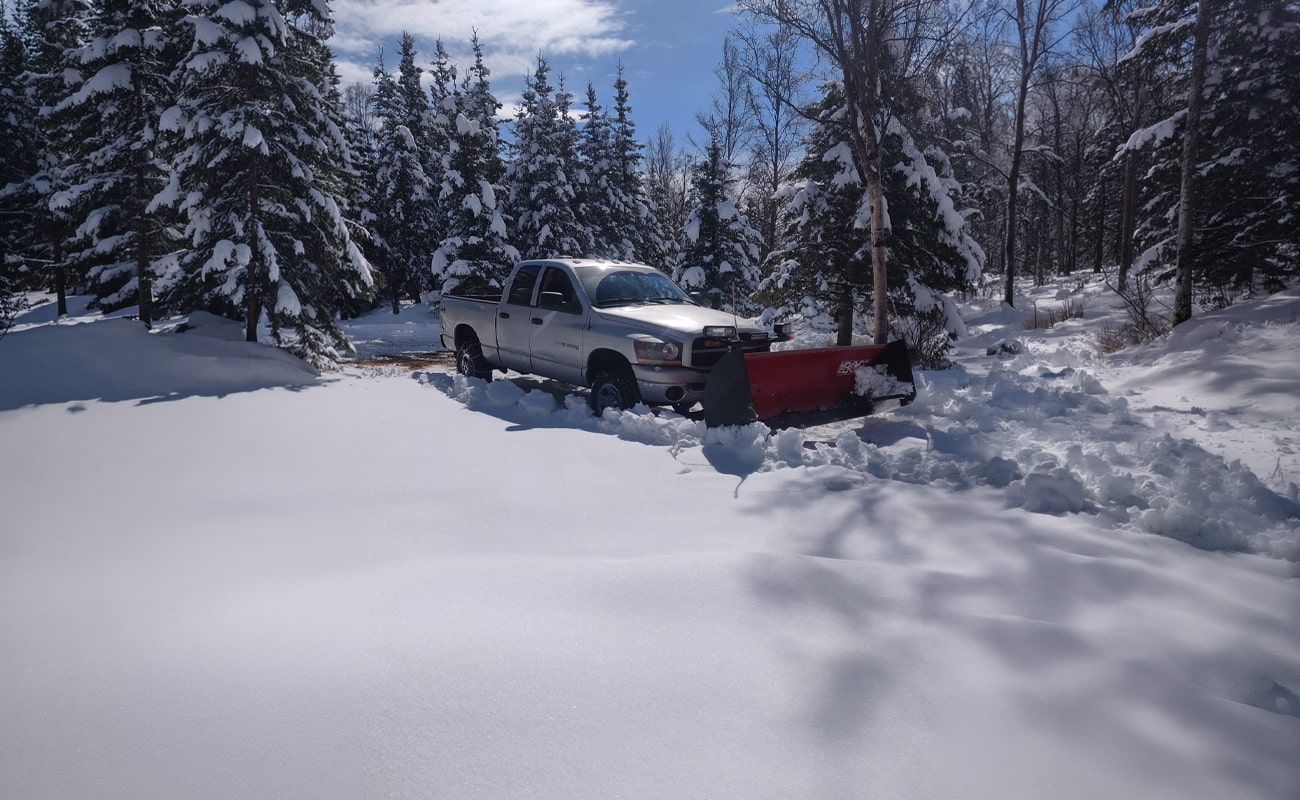
It is 5:30 AM in Anchorage, and the city has just issued a “Plow-Out” declaration after a massive overnight dump. As you head out to clear your driveway, you notice a neighbor’s guest struggling to navigate the icy public sidewalk bordering your lot. In this moment, the stakes of winter maintenance shift from mere convenience to a serious question of responsibility: “Who is responsible for a slip and fall on my property, and what are the legal risks of not clearing my snow?” Navigating Anchorage snow removal liability is a critical task for every homeowner, as the difference between a clear path and a “glaciated” hazard can result in significant legal and financial consequences.
In Short:
In Anchorage, homeowners are legally required to clear snow and ice from adjacent public sidewalks within 24 hours of a storm ending. Under Alaska’s premises liability standards, you have a “duty of care” to maintain your property in a reasonably safe condition; failing to address hazards like black ice or frozen municipal berms can make you liable for injuries sustained by visitors, mail carriers, or pedestrians.
Understanding Your Legal Duties Under AMC 24.80
Living in Anchorage means adhering to specific local laws regarding property maintenance that many residents overlook until they receive a citation. According to Anchorage Municipal Code (AMC) Title 24.80.090, the responsibility for removing snow and ice from sidewalks adjacent to your property falls squarely on the owner or occupant. This is a legal mandate designed to ensure the city remains walkable for everyone, including those with limited mobility. Generally, you have a 24-hour window after the snow stops falling to ensure those public paths are clear and safe for travel.
The “Plow-In” Prohibition
A major part of staying compliant involves where you put the snow you clear. It is a strict violation of AMC 24.80.090 to shovel, plow, or blow snow from your private driveway or sidewalk into the street right-of-way. While it might be tempting to push a heavy Anchorage snow berm removal back into the road after the city grader passes, doing so can result in significant fines and increases your liability if that displaced snow causes a vehicular accident or obstructs municipal drainage.
- Pro-Tip: If you have a large property, use a “snow storage” map. Designate areas at the low end of your lot for stacking to ensure melt-water doesn’t run back across your driveway and create new ice hazards.
- Troubleshooting: If you find that your sidewalk is consistently buried by city graders, you aren’t exempt from the 24-hour rule. Highmark’s Road Maintenance and Snow Berm Removal service is specifically designed to handle these heavy, compacted walls that standard home blowers cannot touch.
Slip-and-Fall Risks: The “Duty of Care” in Alaska
Beyond city fines, the larger risk is personal injury litigation. Alaska law does not distinguish between different types of visitors (like guests vs. delivery drivers) when it comes to safety. As a landowner, you must maintain your property in a “reasonably safe condition” in view of all circumstances. This includes addressing the “natural accumulation” of snow and ice if it poses an unreasonable risk of harm.
The Danger of Black Ice
Our frequent freeze-thaw cycles create the perfect conditions for black ice—a thin, transparent layer that is nearly impossible to see in the dark morning hours. If a visitor slips on an untreated icy patch on your walkway, they may have grounds for a claim if they can prove you knew (or should have known) the hazard existed and failed to act. This is why many homeowners opt for [ pet-safe ice melt Anchorage] (Link: https://highmarkservicesak.com/pet-safe-ice-melt) to keep surfaces clear without damaging their property or harming local pets.
- Local Context: In neighborhoods like Hillside, steep driveway grades make ice even more treacherous. We recommend our Sanding Services to provide immediate traction control on these inclines where chemical melts might take too long to react in sub-zero temps.
- Pro-Tip: Keep a “Log of Maintenance.” Recording the time and date you applied ice melt or cleared your walkways can be vital evidence if a liability claim is ever filed against you
- Common Misconception: Some homeowners think putting up a “Caution: Ice” sign absolves them of liability. In Alaska, a sign is not a substitute for active maintenance; you are still expected to mitigate the hazard.
How Professional Services Mitigate Your Risk
One of the most effective ways to protect yourself from liability is to shift the “duty of maintenance” to a professional team. When you hire a licensed and insured snow removal company, you are creating a documented trail of professional care that is difficult to dispute in court.
- Reliability and Documentation: Professionals use industrial-grade equipment to ensure surfaces are cleared down to the pavement. Many pros provide timestamped “completed” notifications and photos, providing you with a solid defense that the property was maintained.
- Specialized Equipment: Our Residential Snow Blowing tractors use specialized blowers that disperse snow evenly across your yard rather than creating a massive, heavy pile that can obstruct sightlines for drivers.
- Local Context: When the temperatures drop to -20°F, standard equipment often fails. Highmark Services uses top-of-the-line tractors and blowers that are maintained to operate in extreme arctic conditions, ensuring your property stays clear even during the coldest snaps.
- Pro-Tip: Check your provider’s insurance. Ensure they carry at least $1 million in general liability insurance so that any accidents involving their equipment don’t end up as a claim against your homeowner’s policy.
- Common Misconception: “I’ll just wait for the sun to melt it.” In an Anchorage February, the sun is rarely strong enough to melt packed snow on north-facing walkways, leading to “glaciating” that can last for weeks if not addressed immediately.
Preparing for the “Breakup” and Foundation Safety
Liability also extends to the structural safety of your home. As snow piles grow, they can begin to block furnace vents or crawlspace access points, creating a carbon monoxide risk or foundation pressure. If you are physically unable to keep up with these perimeter areas, you may need to look into residential snow hauling services to physically remove the hazard from your lot.
Furthermore, as the winter ends, the gravel and sand used for traction can clog storm drains, leading to localized flooding on your neighbor’s property—another potential liability. Incorporating Street and Lot Sweeping into your spring plan ensures that your property is cleared of all winter debris, protecting your drainage systems and preventing asphalt degradation.
Protect Your Property with Highmark Services
At Highmark Services, we understand that Anchorage snow removal isn’t just about a clean driveway—it’s about protecting your home, your family, and your peace of mind. Our team is well-versed in local municipal codes and the high standards of care required to keep Alaskans safe during our most brutal months. We provide reliable, documented service that helps you meet your legal obligations and reduces your risk of winter accidents.
Don’t leave your liability to chance this winter. Contact Highmark Services today at 907-782-6339 to set up a professional maintenance plan and ensure your property remains a safe place for everyone who visits.