
Anchorage, Alaska, is no stranger to snow-covered streets, icy roads, and harsh winters. While these conditions are part of daily life, they create unique challenges when it comes to street sweeping. Unlike cities in warmer regions where leaves and dust are the main concerns, Anchorage faces a relentless cycle of ice, gravel, and sand that complicates street maintenance. Street sweeping here is not just about aesthetics—it’s about protecting public health, improving road safety, and maintaining environmental quality.
This article explores the key challenges Anchorage faces in street sweeping and the strategies employed to overcome them.
The Impact of Ice on Street Sweeping Efficiency
Ice is arguably the most significant obstacle in Anchorage’s street sweeping operations. Snow begins as early as October and often lingers well into April, with ice sticking around even longer due to freeze-thaw cycles. Unlike snow, which can be plowed, ice can bond tightly to the pavement, making it nearly impossible for standard street sweepers to remove debris until the thaw is complete.
Key issues with ice:
-
We are delaying the sweeping schedules until the roads are free of ice.
-
It conceals gravel and sand, trapping them until a full melt.
-
Limits equipment access to certain roads, especially in residential areas and shaded streets where ice lingers longer.
Crews often have to wait weeks into the spring before they can effectively sweep streets, reducing the window available for thorough cleanup.
Managing Gravel Accumulation: Challenges and Solutions
Gravel is essential for winter driving safety in Anchorage. Applied liberally throughout winter to improve traction on icy roads, gravel becomes a double-edged sword when the snow melts. What helps during the cold months turns into a significant cleanup burden during spring.
Challenges with gravel accumulation:
-
Large volumes of gravel accumulate along curbs, sidewalks, and intersections.
-
Gravel is heavy and abrasive, causing rapid wear and tear on sweeping equipment.
-
Multiple passes are often necessary to remove all the gravel effectively.
To address this, crews often prioritize high-traffic areas first and may employ heavier-duty sweepers specifically designed to handle gravel. Some contractors also conduct pre-sweeping, where they attempt to collect as much gravel as possible even before the complete thaw.
The Role of Sand in Anchorage’s Street Maintenance
Sand is often mixed with gravel to enhance traction on slick roads. While effective during winter, sand presents a more persistent issue during spring cleanup.
The complications of sand:
-
Sand easily becomes airborne, contributing to dust problems.
-
It infiltrates storm drains, causing sediment buildup and increasing maintenance expenses.
-
Fine sand particles are more difficult to sweep up compared to gravel.
Sweepers often employ dust suppression systems using water to control airborne particles during sweeping. However, windy spring conditions can still cause dust pollution, affecting both air quality and community health.
Seasonal Variations in Street Sweeping Needs
Anchorage’s unique climate means that sweeping needs fluctuate heavily depending on the time of year. While many cities can maintain year-round sweeping schedules, Anchorage is constrained to a compressed sweeping season, usually from May to September.
Seasonal factors influencing sweeping:
Spring: The Critical Cleanup Season
Spring marks the most demanding and essential sweeping period of the year. As snow and ice begin to thaw, streets reveal the gravel, sand, and debris accumulated throughout the winter. This debris clutters the streets and creates significant dust problems as winds pick up during dry spells. The sweeping crews face the dual challenge of removing large amounts of abrasive material while also controlling dust pollution to protect air quality. During this time, crews often extend their working hours and prioritize busy roadways, commercial areas, and regions near storm drains to prevent runoff contamination.
Summer: Routine Maintenance and Dust Control
When summer arrives, sweeping efforts shift toward maintenance rather than recovery. Although the volume of debris decreases compared to spring, the threat of dust becomes a persistent problem. Dry conditions combined with leftover sand and gravel fines make dust control a top priority. Sweepers, often equipped with water systems, are regularly deployed to suppress dust, especially in high-traffic areas, bike lanes, pedestrian walkways, and downtown streets. Summer also coincides with Anchorage’s peak construction season, which adds additional debris to the roads and requires extra attention from sweeping crews.
Fall: Pre-Winter Preparation
In fall, the focus turns to preparing the streets for the return of snow and ice. Any gravel, sand, or loose material left on the streets during this period will inevitably become embedded in the first layers of snow, where it will remain trapped until the following spring. Sweepers work to remove residual debris, particularly from gutters and storm drains, to ensure proper drainage during early snowfall and reduce the risk of ice buildup caused by clogged systems. As temperatures begin to drop, the window for sweeping narrows quickly, making efficient planning crucial.
Winter: Minimal Sweeping Operations
During winter, traditional street sweeping operations are largely suspended. The streets are dominated by snow and ice, rendering standard sweeping equipment ineffective. Instead, snowplows take the lead, pushing snow and embedded debris off driving lanes and into windrows along the curbs. In rare instances, temporary thaws may allow limited sweeping in specific areas such as parking lots or pedestrian zones. However, for most of the season, sweeping operations are paused, and equipment is maintained or adapted for snow management tasks.
Technology and Equipment Used in Street Sweeping
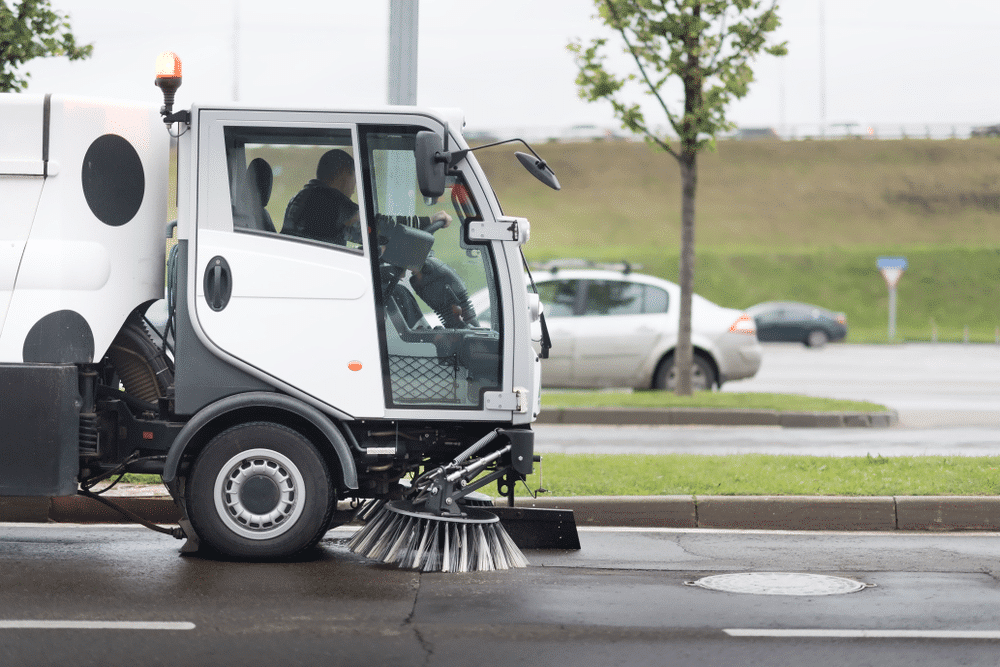
The conditions in Anchorage require more than standard street sweepers. The heavy mix of gravel and sand demands specialized equipment and adapted techniques.
Technologies commonly used:
-
Heavy-duty mechanical broom sweepers can manage gravel and coarse debris.
-
Vacuum sweepers are combined with water sprays to effectively manage fine dust and sand.
-
During transitional periods, we use snowplow-sweeper hybrids.
-
We use GPS and route optimization software to plan efficient sweeping routes within the limited seasonal window.
Maintaining this equipment is also a challenge, as the abrasive debris can cause frequent breakdowns and higher maintenance expenses compared to cities with less severe conditions.
Environmental Considerations in Street Sweeping
Street sweeping in Anchorage isn’t just about keeping roads clean; it’s also crucial for protecting the surrounding environment.
Environmental concerns include:
-
We are preventing the infiltration of gravel, sand, and pollutants into rivers, lakes, and Cook Inlet.
-
We must control dust pollution to safeguard the quality of the air.
-
We are minimizing the use of chemicals for dust suppression to reduce water contamination.
All sweeping efforts must comply with state and federal regulations, particularly those related to the Clean Water Act and local stormwater management programs.
Community Involvement and Public Awareness
While sweeping is the responsibility of public works and private contractors, residents and businesses play a vital role in keeping Anchorage’s streets clean.
Ways the community helps:
-
Make sure not to overuse gravel and sand on private property.
-
Ensure the clearance of vehicles and obstacles during sweeping operations.
-
I am actively participating in public education programs about the impact of dust and runoff pollution.
The city often issues public notices about sweeping schedules and requests cooperation to ensure sweepers can access curb lines and complete their work efficiently.
Wrapping Up
Anchorage’s street sweeping crews face a unique and demanding set of challenges that few other cities encounter. The combination of persistent ice, heavy gravel use, and fine sand requires creative solutions, specialized equipment, and a coordinated community effort. Despite the odds, Anchorage has continued to maintain safe, clean, and environmentally responsible streets each year.
As climate patterns shift and infrastructure continues to evolve, so will the strategies and technologies used to accomplish the complicated task of street sweeping in Alaska’s largest city.
At Highmark Services, we understand Anchorage’s tough sweeping conditions. Our experienced team and specialized equipment tackle ice, gravel, and sand effectively, keeping your streets clean and safe year-round. Contact us today for reliable street sweeping services!