
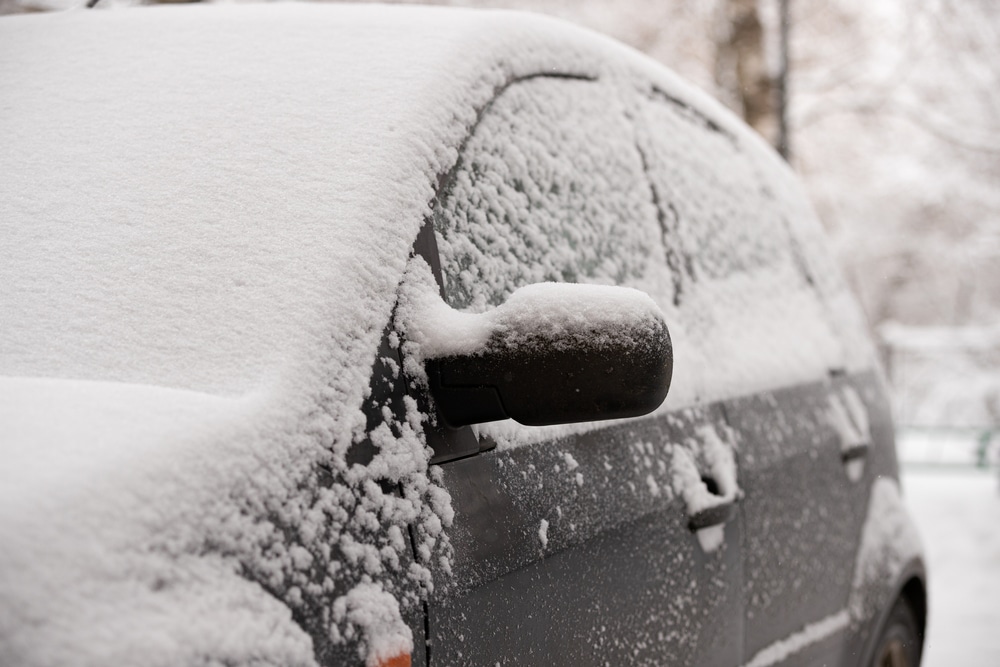
Winter in Anchorage is a season of stark beauty and considerable challenges. With snowfalls that can start as early as October and continue into April, preparing Anchorage property for the first snowfall is essential. Proper preparation helps mitigate potential issues and ensures that your home remains safe and comfortable throughout the winter months. This comprehensive guide will walk you through the necessary steps to prepare for Anchorage’s winter weather.
Understanding Snowfall Patterns in Anchorage
Anchorage’s snowfall patterns are influenced by its coastal location and varying elevation. Understanding these patterns helps in planning and preparation:
Early Season Snowfalls
Snow can begin as early as late October. These early snowfalls are often lighter but can be unpredictable. They may not immediately warrant extensive preparation but serve as a reminder to start your winterizing tasks.
Peak Season Snowfalls
From December through February, Anchorage experiences its heaviest and most frequent snowfalls. During this period, snow can accumulate rapidly, creating challenges for snow removal and property maintenance.
Late-Season Snowfalls
Snowfall continues into April and can be mixed with rain, leading to icy conditions. Late-season snowfalls can create additional hazards like ice dams and slippery surfaces.
By being aware of these patterns, you can better anticipate and prepare for the types and intensity of snowfall your property will encounter.
Pre-Snowfall Preparations in Anchorage
As the first snowstorm approaches in Anchorage, thorough preparation is key to ensuring your property remains safe and functional throughout the winter season. Here’s a detailed guide on the steps you should take before the snowfall begins:
1. Heating System Check
Before the snow begins to fall, it’s essential to ensure your heating system is ready for the winter months. Schedule a professional inspection of your furnace or heating system to clean and tune it up, ensuring it operates efficiently when temperatures drop. Replace air filters to improve air quality and heating efficiency. Additionally, check your thermostat to confirm it is working correctly. Upgrading to a programmable or smart thermostat can help you manage heating costs more effectively by adjusting temperatures based on your schedule.
2. Plumbing Winterization
To prevent plumbing issues during the winter, start by insulating exposed pipes, especially those in unheated areas such as basements, crawl spaces, and garages. Insulating these pipes helps to prevent them from freezing and potentially bursting, which can lead to significant water damage. Seal any gaps or cracks around windows, doors, and sill plates to keep warm air in and cold air out. Allowing a slow drip from faucets connected to vulnerable pipes can also help keep water moving and reduce the risk of freezing.
3. Roof and Gutter Preparation
Preparing your roof and gutters is crucial to managing snow and ice buildup. Begin by cleaning out gutters and downspouts to remove leaves, twigs, and other debris that could block drainage and lead to ice dams. Inspect your roof for damaged, missing, or loose shingles and address any issues before the snow arrives. Consider installing snow guards or snow clips to help manage snow accumulation and prevent large snow slides that could damage your property or create hazards.
4. Outdoor Space Preparation
Preparing your outdoor spaces will help avoid potential damage and ensure that everything is ready for winter. Start by cleaning and storing lawn mowers, garden tools, and other outdoor equipment. Drain fuel or add a fuel stabilizer to prevent damage during the off-season. Protect outdoor faucets with insulated covers to prevent freezing. Finally, trim back any overhanging branches and shrubs that could break under the weight of snow and ice, reducing the risk of damage to your home, power lines, or other structures on your property.
Snow Removal Strategies
Managing snow effectively is crucial for maintaining safety and accessibility during the harsh winter months in Anchorage. Here are several snow removal strategies that can be employed for both residential and commercial properties.
1. Invest in the Right Equipment
Choose equipment suited to your property size and snow conditions. Snowblowers are great for large areas and heavy snow, while snow shovels work well for smaller spaces. Ensure your equipment is well-maintained and ready for use.
2. Develop a Snow Removal Plan
Map out areas that need clearing, such as driveways and walkways. Clear snow regularly, especially after heavy falls, to prevent accumulation and ice formation. If needed, hire a professional snow plowing service for large or complex areas.
3. Use De-Icing Products
Apply ice melt, salt, or sand to manage icy conditions and enhance traction. Use these products before or right after snowfall to prevent ice buildup. Choose de-icers that are safe for your surfaces and the environment.
4. Shovel Snow Correctly
Use an ergonomic shovel and bend your knees to avoid back strain. Lift small amounts of snow at a time, and take breaks to stay safe. Proper technique makes the job easier and reduces the risk of injury.
5. Clear Snow Promptly
Remove snow as soon as possible to prevent it from turning into ice. Regularly check and clear high-traffic areas to maintain safety. Use a broom or shovel to address any remaining ice patches.
6. Plan for Snow Storage
Designate safe areas for snow storage that won’t block mailboxes, driveways, or visibility. For large amounts of snow, relocate it with a blower or plow to prevent snowbanks from becoming problematic.
Post-Snowfall Actions
After a snowfall, promptly inspect your property for damage, such as roof leaks or broken branches, and address any issues to prevent further problems. Continue snow removal to keep driveways and walkways clear, and manage ice formation with ice melt or sand. Check and maintain your snow removal equipment, cleaning and storing it properly for future use. Finally, review your winter preparations to identify any improvements needed for better readiness in future snowfalls. These actions ensure your property remains safe and accessible throughout the winter season.
Wrapping Up
Preparing your Anchorage property for the first snowfall involves a combination of understanding local snowfall patterns, proactive maintenance, effective snow removal strategies, and safety measures. By following these guidelines, you can ensure a smoother and safer winter season. Proper preparation not only enhances safety but also minimizes the inconvenience and potential damage caused by winter weather. Stay ahead of the snow and enjoy the winter season with confidence.