
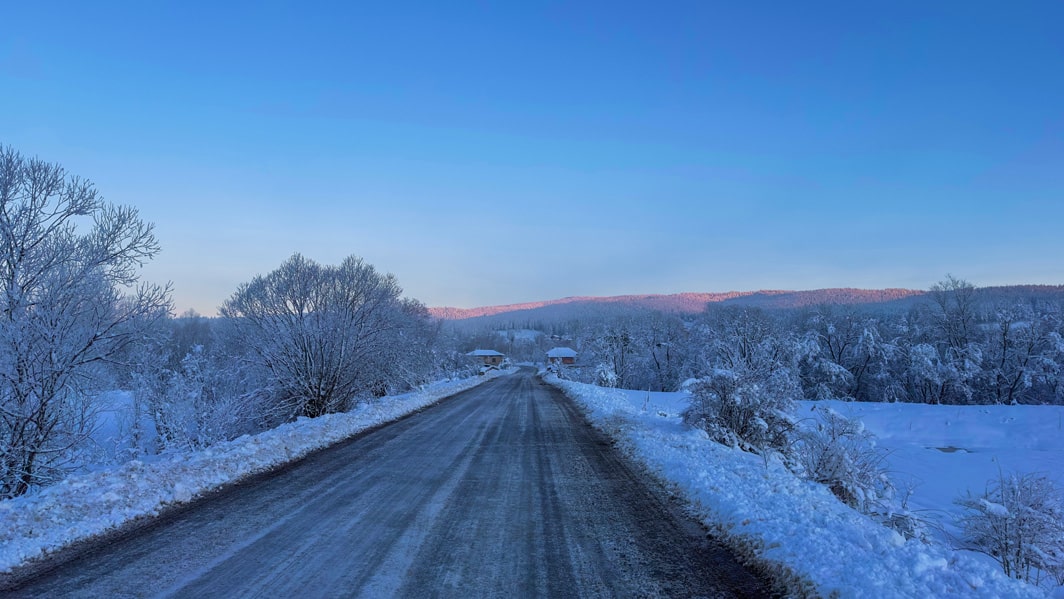
This winter has brought lighter snowpack across Anchorage, but homeowners are still dealing with icy driveways, packed berms, and refreeze issues. Low snowfall doesn’t eliminate problems—freeze-thaw cycles often make them worse. Even with only a few inches on the ground, conditions can still require reliable snow removal Anchorage homeowners depend on.
In Short
- Light snowfall combined with warm periods and refreeze creates dense ice on driveways and access points.
- City plows push slush into berms that freeze solid overnight.
- Highmark helps homeowners stay ahead of these conditions through consistent residential snow removal services.
Anchorage’s Low Snowpack Is Creating Hidden Problems
This season hasn’t delivered the large storms Anchorage is used to it, but low snowpack doesn’t equal low winter maintenance. In fact, lighter storms produce wetter snow. When temperatures jump above freezing and drop again after sunset, even a half inch of accumulation can freeze into a hard surface that blocks traction and access.
Homeowners are seeing:
- Driveways turning icy after warm afternoons
- Slush refreezing into rough, uneven surfaces
- City plow berms becoming heavier than usual despite low total snowfall
These early-season conditions are exactly why many people schedule snow and ice services even when snow totals seem minor.
Why Berms Are Worse in a Light Winter
During small storms, snow often falls wet. Plows push that wet snow into a berm that settles, compacts, and freezes. Because the snowfall is lighter overall, the berm is denser instead of fluffy. Homeowners notice:
- Berms freezing solid overnight
- Reduced visibility at the end of driveways
- Cars unable to push through the freeze
- Plowed piles taking longer to soften
This is also when requests for residential snow removal Anchorage increase—homeowners want berms cleared before they lock up for days.
How Freeze-Thaw Weeks Affect Driveway Access
Anchorage has seen repeated cycles of:
- A warm day
- A short period of rain or melt
- A sharp temperature drop
That pattern produces:
- Smooth ice layers on driveways
- Hard crust on top of thin snow
- Thick refrozen berms at night
- Hazardous walkways during morning commutes
These are the same conditions that lead to school snow days even when total snow accumulation is low. When road and driveway surfaces refreeze unevenly, access becomes more difficult for buses, commuters, and homeowners. If you want service before the next freeze, Highmark offers residential plowing and berm clearing with timely dispatch.
What Homeowners Can Do in Low-Snow Winters
Planning around temperature swings is more important than planning around snowfall totals.
Smart timing includes:
- Clearing driveways before an overnight freeze
- Scheduling berm removal right after city plows pass
- Setting up recurring service even when storms seem minor
- Requesting service after mixed rain–snow events
Many Anchorage homeowners are surprised that they use more snow removal services in lighter winters—because freeze–thaw cycles create more safety issues than deep snow.
How Highmark Responds in Low-Snow, High-Freeze Seasons
Highmark crews monitor warm-ups, rain periods, and plow cycles closely. This helps us dispatch before berms harden and before driveways freeze solid. Our team uses:
- Plow trucks for packed berms
- Blowers for smaller driveways and walkways
- Sanding units when traction drops
- Ice control treatments for problem surfaces
This approach ensures homeowners maintain access even during unpredictable conditions.
If you want consistent service this season, request a quote through our snow removal scheduling page.
Why Low Snowpack Still Creates Winter Access Problems
Even when snowfall stays light, the freeze–thaw pattern repeatedly creates the type of conditions that lead to blocked access, slick surfaces, and extra strain on residential driveways. Anchorage homeowners often assume that lighter storms mean their service needs will drop, but in practice, the opposite happens. Low-snow winters shift the challenges toward timing, refreeze, and berm density, which means the problems show up in different ways—and they tend to be less predictable.
Ice Layers Forming Overnight Are a Major Issue This Year
One of the biggest issues this year has been the transition from wet afternoons to sudden nighttime drops. When temperatures swing 10–20 degrees within a few hours, surface snow compresses and stiffens into a thin sheet of ice. That thin layer is frequently harder to manage than several inches of dry accumulation because it bonds to the driveway and creates traction loss without appearing dramatic.
Homeowners notice this the most during early-morning departures or when vehicles can’t gain momentum on slight inclines. A basic plow pass doesn’t always solve the issue, which is why professional clearing combined with sanding or ice control becomes essential during these conditions.
Refrozen Berms Are Causing More Blockages Than Expected
Another recurring problem is refrozen slush building up near the end of driveways. After city plows clear the roads, the remaining slush line tends to freeze unevenly. Over a couple of days, that slush can turn into a sharp ridge that catches undercarriages, blocks low-profile vehicles, and forces drivers to accelerate aggressively just to leave home.
These are the same factors that contribute to school snow days, even during lighter winters. Road surfaces don’t need heavy snowfall to become unsafe; they simply need to refreeze before crews can address the previous melt. This is why reliable snow removal Anchorage homeowners can schedule ahead of time, which is especially valuable when the weather keeps shifting every 12–18 hours.
Planning Around Temperature Swings Helps Avoid Freeze-Related Issues
Homeowners can reduce these issues by watching for short warm periods in the forecast. When a warm spike is followed by an immediate drop below freezing, plan for driveway attention even if snowfall is minimal. Clearing before the freeze prevents the surface from locking up and avoids the hardened layer that typically forms when slush is ignored.
It also reduces the amount of ice control needed afterward, saving time and effort while keeping access consistent. Highmark often hears from clients who thought a small amount of snow wasn’t worth addressing, only to wake up to a driveway that behaved more like a sheet of glass.
Berm Removal Is More Important in Low-Snow Winters
This winter has also highlighted the importance of berm removal as a standalone service. Berms that appear small during a warm afternoon become rock-solid by nightfall, and once they freeze, they’re significantly more difficult to break apart. Many properties require targeted berm removal rather than full plowing, especially when storms bring mixed precipitation.
Requesting service shortly after city plows pass is the best way to prevent berms from turning into long-lasting obstacles. This keeps driveways usable and avoids unnecessary strain on vehicles.
Preparing Ahead Helps Homeowners Stay Ahead of Unpredictable Conditions
Anchorage’s winter patterns continue to shift, and homeowners benefit most when they plan around the weather’s timing—not the total inches of snow. Whether the forecast calls for light accumulation, freezing rain, or a brief thaw, staying ahead of these patterns ensures your property stays accessible.
If you’re dealing with these conditions already or want to prepare before the next freeze, Highmark can help with route-based plowing, berm clearing, sanding, and residential ice management. Request a quote to stay ahead of unpredictable winter conditions.