
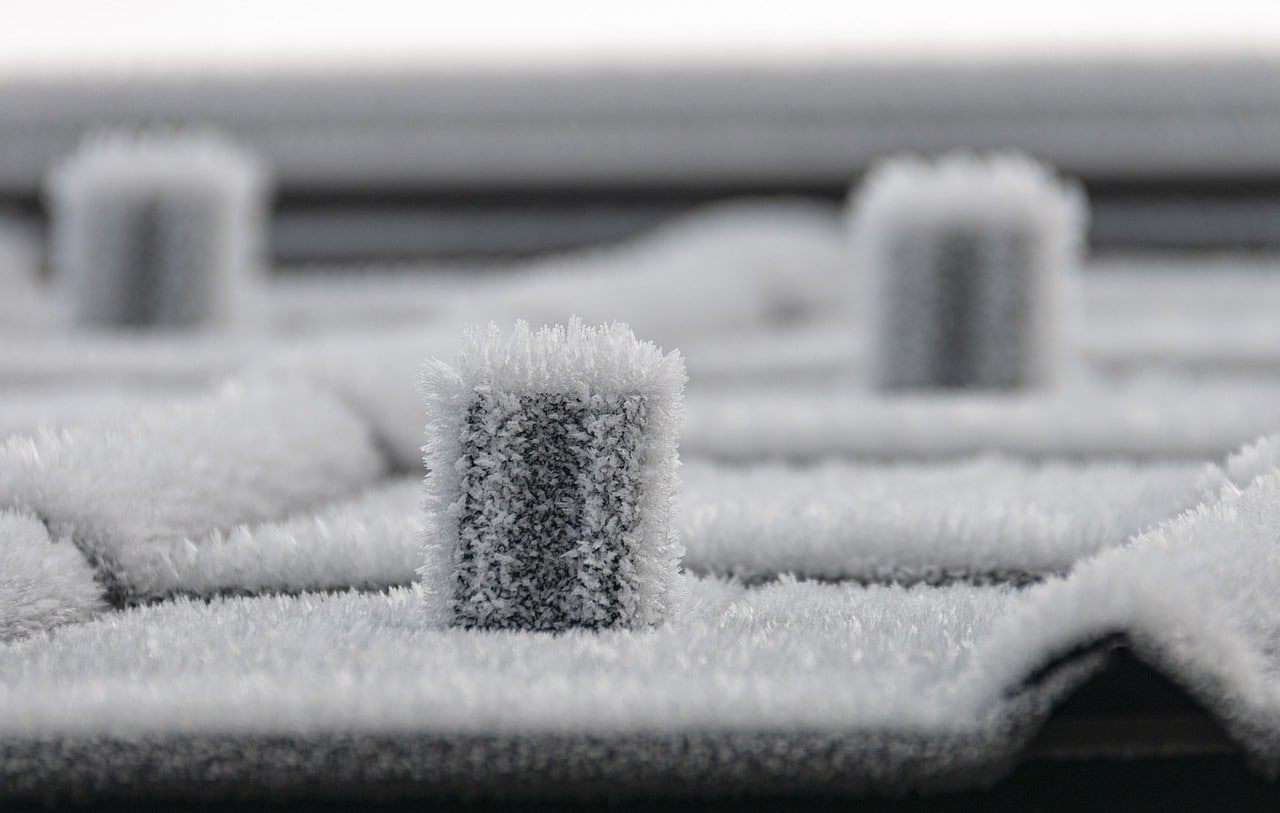
As winter blankets the landscape with its serene white cloak, it also brings along the challenges of snow accumulation, particularly on rooftops. While the sight of snow-covered rooftops may evoke picturesque imagery, it’s essential to address the potential risks associated with excessive snow buildup.
Rooftop snow removal is not just about aesthetics; it’s a crucial safety measure to prevent structural damage and ensure the well-being of occupants. In this article, we’ll explore the importance of rooftop snow removal, along with effective techniques and safety guidelines to handle it efficiently.
Why Remove Rooftop Snow?
The weight of snow can exert significant pressure on the structural integrity of buildings, especially flat or low-pitched roofs. When left unattended, this weight can exceed the load-bearing capacity of the roof, leading to collapse or structural damage. Additionally, melting snow can seep into cracks and crevices, causing leaks and water damage to the building’s interior.
Moreover, falling snow or ice from rooftops poses a significant hazard to pedestrians and vehicles below, potentially causing injuries or property damage. Therefore, the timely removal of rooftop snow is imperative to mitigate these risks and ensure the safety of both property and people.
Effective Techniques for Rooftop Snow Removal
Rooftop snow removal is a necessary task to prevent structural damage, ensure safety, and maintain the integrity of buildings during winter months. However, it requires careful planning, the right tools, and safety precautions to be carried out effectively. Here are some techniques for efficient rooftop snow removal:
1. Assessment and Planning
Before beginning snow removal, assess the amount of snow accumulation and the condition of the roof. Identify any potential hazards, such as fragile areas, skylights, or vent pipes. Plan the removal process, including which areas need to be cleared first and the best approach for accessing the roof safely.
2. Use of Proper Tools
Selecting the right tools for snow removal is crucial. Snow rakes, roof snow shovels, and roof brushes are commonly used for this purpose. These tools are designed to remove snow without damaging the roof’s surface. Avoid using metal shovels or sharp implements that could cause scratches or punctures to the roofing material.
3. Work from the Ground Whenever Possible:
Whenever feasible, remove snow from the ground using long-handled tools or snow blowers with extended wands. This minimizes the need for climbing onto the roof, reducing the risk of falls and injuries. Snow rakes with telescoping handles can reach high areas of the roof from the ground.
4. Safe Climbing Practices:
If climbing onto the roof is unavoidable, prioritize safety. Use a sturdy ladder placed on solid ground, and extend it at least three feet above the roof edge for easy access. Secure the ladder at the top and bottom to prevent it from shifting or slipping. Wear appropriate footwear with good traction to prevent slips on icy surfaces.
5. Clearing Drainage Paths:
Pay attention to clearing snow from roof valleys, gutters, and downspouts to prevent ice dams and water backups. Use a roof rake or shovel to remove snow from these areas carefully. Clearing these pathways ensures proper drainage of melted snow and prevents water from seeping into the building.
6. Professional Assistance for Complex Jobs:
For large or complex roof structures, or in cases of heavy snow accumulation, consider hiring professional roofers experienced in snow removal. They have the expertise, equipment, and safety measures necessary to handle challenging situations safely and effectively.
7. Monitor weather conditions:
Stay informed about weather forecasts and schedule snow removal promptly after significant snowfalls. Regular removal prevents excessive snow buildup, reducing the risk of roof damage and ice dams. Avoid working on the roof during adverse weather conditions such as high winds, heavy snowfall, or icy surfaces.
8. Safety Precautions:
Prioritize safety at all times during rooftop snow removal. Work with a partner, if possible, to provide assistance and ensure a prompt response in case of emergencies. Use personal protective equipment (PPE), such as gloves, safety glasses, and a helmet, to protect yourself from falling debris or ice.
Safety Guidelines for Rooftop Snow Removal
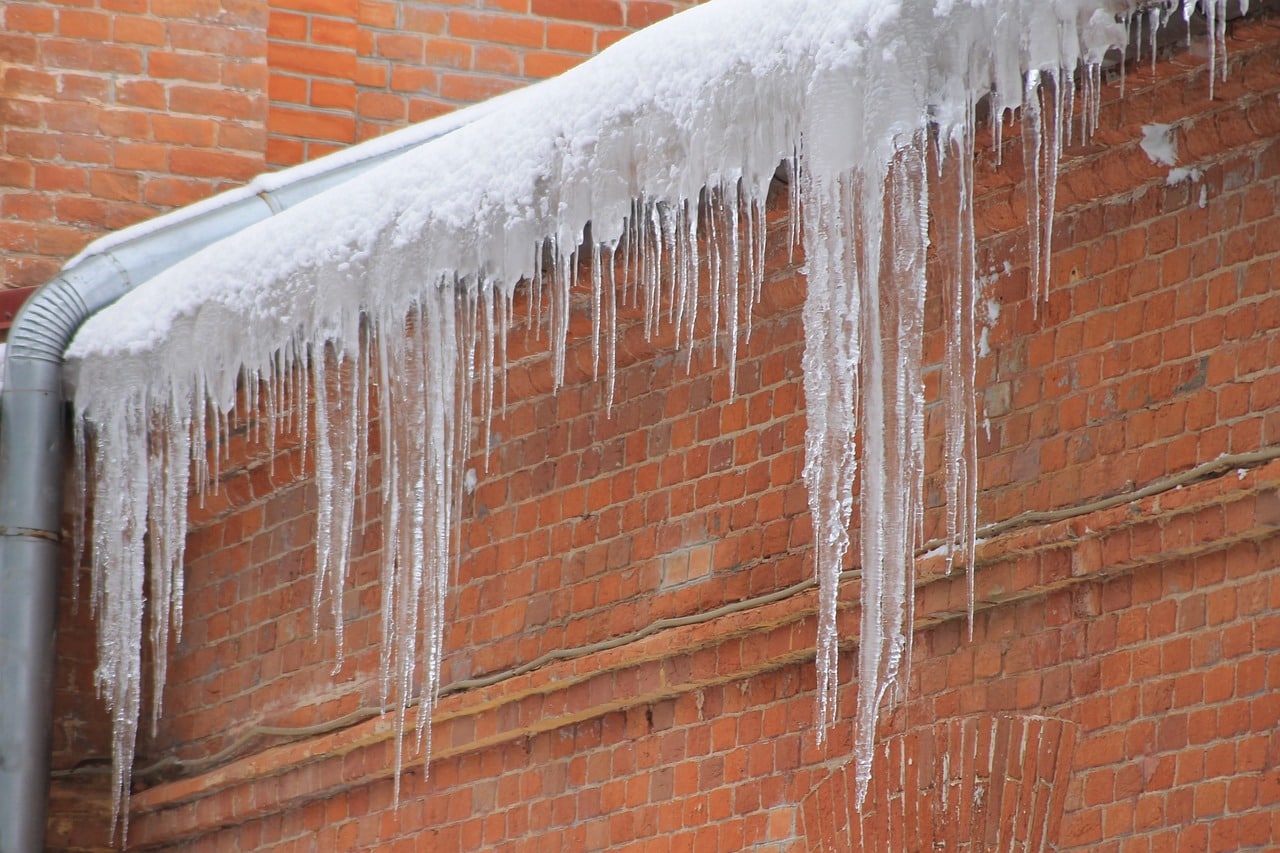
Rooftop snow removal can be a hazardous task, especially when working at heights and in challenging weather conditions. Prioritizing safety is essential to prevent accidents, injuries, and property damage. Here are some crucial safety guidelines to follow during rooftop snow removal:
- Always work with a partner, especially when climbing onto the roof, to provide assistance and ensure prompt response in case of emergencies.
- Be mindful of overhead hazards such as power lines and tree branches, which may pose a danger during snow removal activities.
- Avoid working on the roof during inclement weather conditions, such as strong winds or icy surfaces, as these increase the risk of accidents.
- Regularly monitor weather forecasts and schedule snow removal promptly after significant snowfalls to prevent accumulation from reaching hazardous levels.
Rooftop snow removal is not merely a seasonal chore but a critical safety measure to protect buildings and occupants from the potential hazards of snow accumulation. By employing effective techniques and adhering to safety guidelines, property owners can minimize the risks associated with snow buildup and ensure the longevity of their roofing systems.
Ready to tackle rooftop snow removal safely and effectively? Look no further than Highmark Services in Anchorage, Alaska. Our experienced team is equipped with the expertise and tools needed to handle any snow removal job with precision and care.