
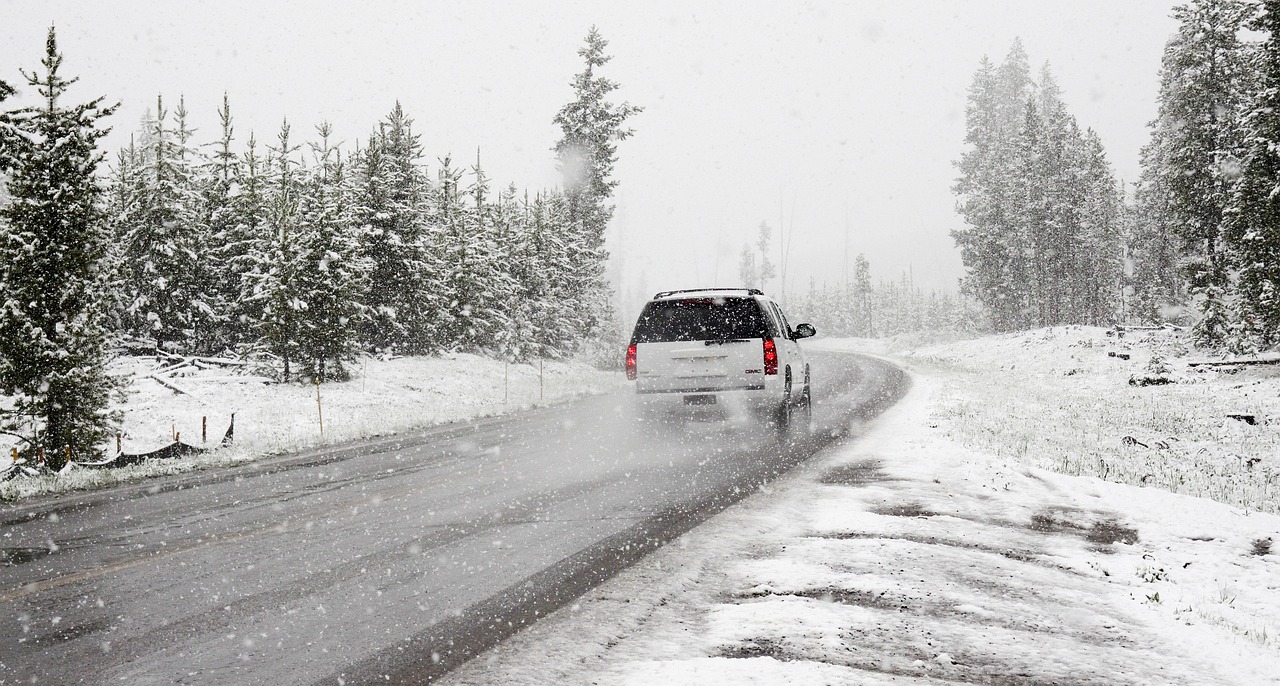
Winter driving requires a unique set of skills that go beyond the everyday demands of dry roads. Snow and ice add layers of unpredictability, increasing the risk of accidents and the potential for damage to vehicles. Mastering winter driving skills is essential for staying safe, especially in regions where harsh winters are the norm. In this article, we will explore six common mistakes drivers make when navigating snowy and icy roads and how to avoid them.
Common Mistakes to Avoid When Driving in Snow and Ice
Below are some of the most common mistakes to avoid when driving on snowy or icy roads:
1. Driving Too Fast for Conditions
One of the most common mistakes is driving too fast on snow-covered or icy roads. Even if the speed limit is 40 mph, that doesn’t mean it’s safe to drive at that speed in winter conditions. Snow and ice significantly reduce traction, and vehicles need more time to stop. Driving too fast increases stopping distance and reduces your reaction time to avoid hazards. The key is to drive at a speed that allows you to maintain control, even if that means going well below the posted speed limit.
2. Sudden Braking or Accelerating
Sudden movements, whether accelerating or braking, can easily cause your tires to lose grip on icy surfaces. Abrupt braking can lead to skidding, while rapid acceleration may cause your tires to spin out, making it difficult to regain control. To prevent this, always accelerate and brake gently. When stopping, begin braking earlier than usual and use a slow, steady pressure to avoid locking your wheels or triggering your anti-lock braking system (ABS) unnecessarily.
3. Following Too Closely
Tailgating is dangerous in any season, but in winter, it can be catastrophic. Snow and ice increase the stopping distance, making it harder to avoid collisions if the vehicle ahead suddenly stops. A safe rule of thumb in winter is to maintain at least a six-second gap between you and the car in front. This strategy gives you more time to react and brake safely. Always anticipate that other drivers may struggle with their traction and stopping.
4. Not Clearing Snow and Ice Off Your Vehicle
Leaving snow and ice on your vehicle can be hazardous for you and others on the road. Snow blowing off the roof or ice dislodging from the car can obstruct your visibility or hit vehicles behind you. Many drivers make the mistake of only clearing the windshield or rear window, leaving other parts of the car covered.
Winter weather can block mirrors and side windows, reducing overall visibility. It’s essential to clear all snow and ice from your car, including the roof, hood, lights, and windows, to avoid impairing your vision or endangering others.
5. Overconfidence with Four-Wheel or All-Wheel Drive
While four-wheel drive (4WD) and all-wheel drive (AWD) systems can help improve traction in snowy conditions, they don’t make your vehicle invincible. Drivers with 4WD or AWD often think they can drive faster or take more risks in snow and ice.
However, these systems don’t improve stopping distances or handling on ice; they primarily assist with acceleration and climbing inclines. Even with these systems, you should drive cautiously and maintain proper winter driving techniques.
6. Failing to Prepare for Emergencies
Being unprepared for a winter driving emergency is a mistake that can have serious consequences. Weather conditions can change rapidly, and you may find yourself stuck in a snowbank or stranded in freezing temperatures. Many drivers neglect to keep an emergency kit in their vehicle, which should include items like blankets, a first aid kit, water, food, a flashlight, and a snow shovel.
Additionally, keeping your gas tank at least half full can help prevent fuel line freeze-up and ensure you’re not stranded without heat. Having a fully charged phone and letting someone know your travel plans can also be lifesavers in the event of an emergency.
The Importance of Winter Driving Skills
Driving in snow and ice presents challenges that many drivers are not fully prepared for. Reduced visibility, poor traction, and the extended stopping distance that come with winter weather demand a different approach. Winter driving skills include knowing how to handle your vehicle and having the proper mindset.
Preparation, caution, and adaptability are critical to keeping yourself and others safe during these conditions. Unfortunately, even experienced drivers can make mistakes that lead to accidents or dangerous situations. By understanding these pitfalls, you can avoid becoming a statistic on winter roads.
Final Words
Winter driving requires careful attention, the right skills, and preparedness. By avoiding these six common mistakes—driving too fast, sudden braking or acceleration, following too closely, not clearing snow, overconfidence with AWD or 4WD, and failing to prepare for emergencies—you can greatly reduce the risks associated with driving in snow and ice. Ultimately, staying safe on winter roads is about adjusting your habits to the conditions, being patient, and prioritizing caution over speed.
Ensure your property stays safe and accessible this winter with professional snow plowing from Highmark Services. Serving Anchorage and the surrounding areas, our reliable team is ready to clear your driveways, parking lots, and walkways, no matter how severe the snowfall.