
Winter can bring its set of challenges, especially for homeowners with outdoor decks. Snow and ice accumulation can lead to significant damage if not managed properly. Beyond the potential structural damage to your deck, there is also the risk of personal injury from slipping on ice. It’s crucial to understand the safest and most effective ways to remove snow and ice from your deck to maintain its integrity and ensure safety. This article will guide you through essential steps, starting with preparation before winter, best practices for snow and ice removal, and critical safety considerations to keep in mind.
Preparation Before Winter
Preparing your deck before winter is a proactive step that can save you a lot of trouble when the snow starts to fall. Before the first snowfall, inspect your deck thoroughly for any signs of wear and tear. Look out for any structural flaws that the weight of snow and ice might exacerbate, such as loose boards and protruding nails. Tighten screws, replace or repair damaged boards, and ensure that the deck is in good condition to withstand the harsh weather.
Another important preparation step is to apply a water-repellent finish to your deck. This protective coating helps prevent moisture from seeping into the wood, reducing the likelihood of warping, cracking, or rotting during the freeze-thaw cycles of winter. It also makes it easier to remove snow and ice, as the slick surface allows for smoother shoveling.
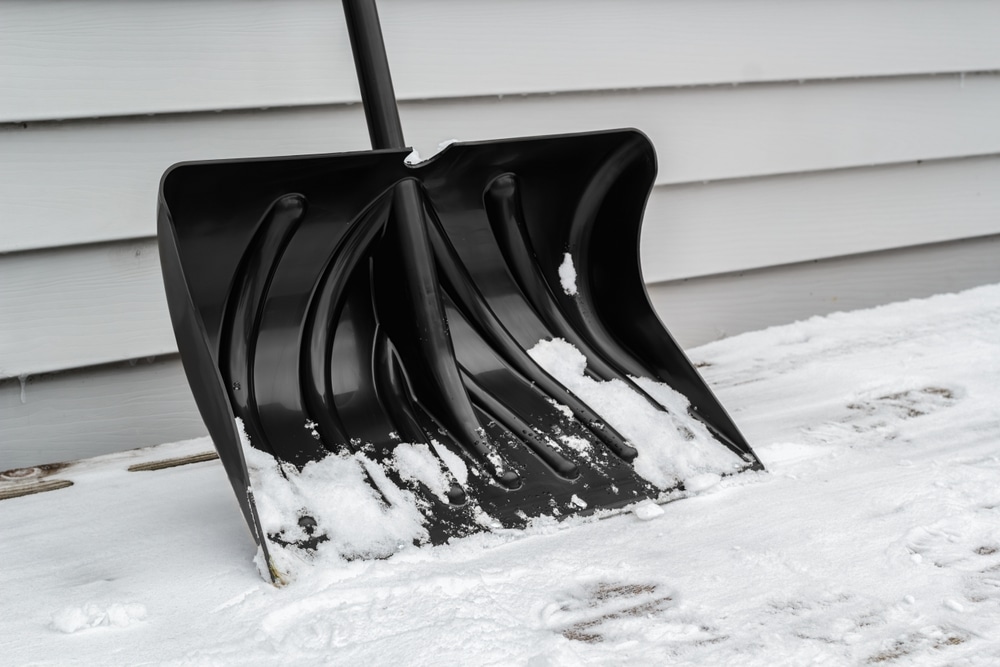
It’s also beneficial to have the right tools on hand before winter arrives. Invest in a sturdy plastic snow shovel, as metal shovels can scratch and damage the wood. You may also want to consider purchasing a snow blower designed for light-duty use on decks, particularly if you live in an area prone to heavy snowfall. Lastly, having an eco-friendly, non-corrosive de-icing agent can make ice removal easier without harming your deck or the environment.
Best Practices for Snow and Ice Removal
Here are some best practices for safely and efficiently removing snow and ice from various surfaces around your home.
1. Understand the Different Surfaces
Snow and ice removal techniques should be tailored to the specific surface type to prevent damage. Concrete, asphalt, and paver driveways and walkways require careful handling to avoid cracks from harsh chemicals. Wooden decks are susceptible to scratches and chemical damage, while composite decks, although more durable, still need gentle care to avoid discoloration. Roofs require special attention to prevent shingle damage and ice dam formation, which can lead to leaks and water damage. Knowing the material helps determine the safest and most effective removal methods.
2. Choose the Right Tools
The right tools are crucial for effective snow and ice removal without damaging surfaces. Use plastic or rubber-edged shovels for delicate surfaces and snow blowers for larger areas, ensuring they’re appropriate for the surface type. For ice, plastic or wooden choppers are ideal to prevent scratching. Brooms and leaf blowers are excellent for light snow on decks and patios. Selecting the right tools not only makes removal easier but also helps protect surfaces.
3. Safe Snow Removal Techniques
Safe techniques minimize injury and surface damage. Shovel early and frequently to prevent snow from compacting into ice. Push snow instead of lifting to reduce strain and avoid back injuries. Shovel with the wind to prevent cleared areas from getting covered again. Avoid piling snow near buildings to prevent structural damage and water infiltration. Disperse snow evenly in safe areas for it to melt away naturally.
4. Effective Ice Removal Practices
Ice removal should prioritize safety and surface protection. Instead of traditional salt, use less corrosive de-icers like calcium magnesium acetate (CMA) or calcium chloride, which are safer for concrete and less harmful to vegetation. For traction, use sand or cat litter. Pre-treat surfaces with de-icers to prevent ice bonding. Carefully break up ice with plastic or wooden tools to avoid damage, and use warm water to loosen stubborn ice, quickly clearing the slush to prevent refreezing.
5. Use Heated Mats
Heated mats can be placed on walkways, driveways, and decks to melt snow and ice automatically, keeping surfaces clear without shoveling or de-icers. They’re ideal for high-traffic areas and reduce the risk of slips by continuously providing warmth to prevent accumulation.
6. Install Snow Guards
Snow guards on roofs prevent large sheets of snow and ice from sliding off, reducing the risk of injury and property damage. They help manage snow safely, allowing it to melt gradually and preventing ice dams and roof damage.
Safety Considerations
When removing snow and ice, safety should always be a top priority to prevent injuries and protect both yourself and your property. Here are key safety considerations to keep in mind:
- Use Proper Footwear: Wear sturdy, non-slip boots with good insulation to keep your feet warm and provide traction on icy or slippery surfaces. This helps reduce the risk of falls and injuries while working on snow-covered or icy areas.
- Dress in Layers: Dress in warm, layered clothing to maintain body heat while allowing flexibility for movement. Choose waterproof and wind-resistant outer layers to protect against cold and moisture, and wear gloves and a hat to protect extremities from frostbite.
- Lift with Your Legs, Not Your Back: When shoveling, use your legs to lift the snow rather than your back to avoid back strain or injury. Bend your knees and keep your back straight, lifting with your leg muscles instead of your lower back.
- Take Regular Breaks: Snow removal can be physically demanding, especially during heavy snowfall. Take regular breaks to avoid overexertion and prevent fatigue, which can increase the risk of accidents.
- Stay Hydrated and Avoid Overexertion: Even in cold weather, physical activity can lead to dehydration. Drink plenty of water and avoid overexertion, particularly if you have a medical condition or are not accustomed to heavy physical activity.
- Be Aware of Ice Patches: Ice patches can be hidden under fresh snow, posing a slip hazard. Use de-icers or sand to provide traction and mark icy spots to avoid accidental slips.
- Use Proper Lighting: If you need to clear snow or ice in low-light conditions, ensure the area is well-lit to spot hazards like ice patches or obstacles. Use outdoor lights or carry a flashlight to improve visibility.
- Check Equipment Condition: Regularly inspect snow removal tools and equipment to ensure they are in good working order. Faulty equipment can lead to accidents or cause more damage to surfaces.
- Clear Snow Away from Structures: Avoid piling snow directly against buildings, doors, or windows, as melting snow can cause water damage or flooding. Pile snow in designated areas away from structures to allow safe melting.
- Be Mindful of Roof Loads: If clearing snow from roofs, be aware of the roof’s weight capacity and avoid overloading it with snow, which can lead to structural damage or collapse. Consider using a roof rake with a long handle to remove snow from the ground safely.
By following these safety considerations, you can effectively manage snow and ice removal while minimizing the risk of injury and damage. Always prioritize personal safety and the protection of your property to ensure a safe winter season.
Wrapping Up
Removing snow and ice from your deck requires the right tools, techniques, and safety precautions. By understanding your deck’s material, using appropriate tools, applying safe removal strategies, and taking preventative measures, you can maintain a safe and damage-free deck throughout the winter months. Always prioritize safety, both for yourself and the integrity of your deck. A well-maintained deck not only looks attractive but also remains safe and functional year-round.