
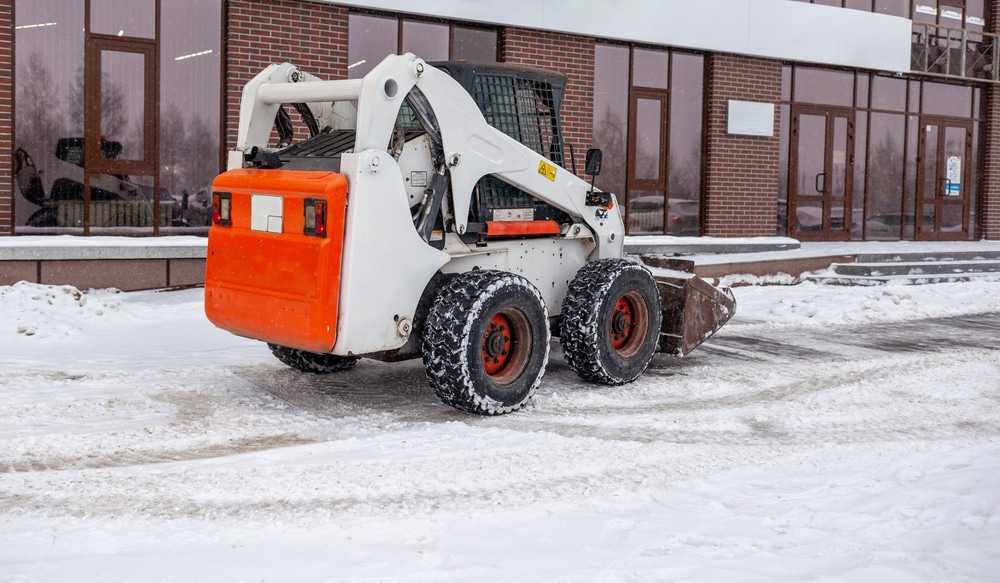
Street sweeping is a vital component of municipal maintenance, ensuring that roads are free from debris, pollutants, and potential safety hazards. In cities with moderate climates, this task is performed regularly and seamlessly. However, in Anchorage, Alaska—a city known for its extreme and prolonged winters—the street sweeping schedule faces a unique set of challenges. Harsh weather, heavy snowfall, and freezing temperatures mean that the traditional sweeping calendar must be reimagined to fit the rhythm of the subarctic climate.
Understanding Anchorage’s Harsh Winter Climate
Anchorage experiences some of the most intense and long-lasting winter conditions in the United States. With average snowfalls exceeding 75 inches annually and temperatures often remaining below freezing for months, the city enters a virtual “hibernation” period in terms of certain maintenance services.
The snowfall season typically begins in October and can extend well into April. Snow doesn’t just fall; it accumulates and compacts, blanketing roadways, sidewalks, and storm drains. Once snow is packed onto streets and mixed with gravel and de-icing agents like sand and salt, it creates layers that are nearly impossible to sweep until the spring thaw.
Why Street Sweeping Pauses During Winter
Street sweepers rely on dry, relatively clean pavement to operate effectively. In winter, sweeping equipment cannot penetrate packed snow or ice. Not only is it inefficient to attempt sweeping under such conditions, but it also risks damaging the equipment.
Instead, city crews shift their focus entirely to snow plowing, salting, and sanding to keep streets navigable. Over the months, however, the sand and gravel used for traction accumulate in large quantities. This residue lies dormant beneath the snow and ice, waiting to resurface with the spring melt.
This long pause in service—often five to six months—means that by the time spring arrives, Anchorage’s roads are coated with months’ worth of winter debris, necessitating a massive cleanup operation.
Spring Sweep: A Citywide Operation
Once temperatures rise and snow begins to melt, Anchorage’s public works department mobilizes one of its largest seasonal efforts: the Spring Sweep.
This operation usually kicks off in mid- to late April, depending on the severity and duration of the winter. Crews work in phases, beginning with major arterial roads and progressing to residential neighborhoods, bike lanes, and business districts.
Key goals of the spring sweep include
- Removing Sand and Gravel: Sand applied during winter for traction can be a hazard in the spring. It reduces vehicle grip on dry pavement and poses risks to cyclists and motorcyclists.
- Clearing Storm Drains: Ensuring that debris does not block drains is crucial to prevent flooding during snowmelt and spring rainstorms.
- Improving Air Quality: Dust from leftover road grit can become airborne, exacerbating respiratory issues and violating EPA air quality standards.
- Restoring Aesthetic Appeal: Clean roads contribute to the visual appeal of neighborhoods and business areas as the city transitions into the summer.
The operation is labor- and resource-intensive and may take up to six weeks to complete citywide, depending on weather conditions and available manpower.
Street Sweeping Logistics and Challenges
Executing a successful spring sweep in Anchorage is far more complex than simply driving a sweeper down the street. There are numerous obstacles to overcome:
1. Timing the Start
Crews must wait for sufficient thaw to expose road surfaces without risking further snowfall. If sweeping begins too early, remaining patches of snow can hinder the process, and another snowfall could bury already cleaned areas.
2. Fleet Conversion and Maintenance
The city needs to convert many of its multi-use snowplow trucks into sweeping vehicles. After months of plowing, these machines often require significant maintenance before they’re road-ready for sweeping.
3. Staff Fatigue
After a long and demanding winter, public works staff may face fatigue, making scheduling and labor management critical for a successful spring clean-up.
4. Weather Interruption
Unpredictable spring weather, including rain and late-season snowfalls, can delay sweeping operations or make them less effective.
5. Parked Vehicles
One of the biggest logistical issues is resident compliance. Parked cars can block access to curbs and shoulders, where most of the debris accumulates. The city issues sweeping schedules and urges residents to move vehicles on designated days, but not all comply, slowing progress.
Environmental Considerations
Street sweeping isn’t just a cosmetic measure—it’s a crucial environmental protection tool:
- Pollution Prevention: Road debris often contains heavy metals, oils, and microplastics. If left on the road, these contaminants can be washed into storm drains and eventually local waterways.
- Dust Control: In spring, Anchorage often experiences dry spells that stir up dust from untreated roads. Sweeping helps suppress this dust, improving local air quality.
- Habitat Protection: Preventing runoff into local creeks and wetlands helps protect salmon habitats and preserves the area’s rich biodiversity.
Role of Technology and Communication
To improve the efficiency of sweeping operations, Anchorage employs mapping tools and digital notifications. Residents can subscribe to alert systems that notify them of upcoming sweeping in their area, while city websites publish detailed schedules and progress updates.
In the future, the use of GPS tracking, AI-based maintenance planning, and data-driven street condition monitoring could further optimize sweeping efforts, especially in a city where every weather window counts.
Adapting to a Changing Climate
Climate change adds a layer of uncertainty to the city’s planning efforts. Recently, Anchorage has seen variations in winter length, increased freeze-thaw cycles, and changing precipitation patterns. These shifts can:
- Alter the timing of street sweeping.
- Increase the volume of debris from more frequent sanding and plowing.
- Require adaptive scheduling and multi-season resource allocation.
The city is expected to continue investing in more resilient infrastructure and flexible scheduling models to manage these emerging conditions.
Resident Participation: A Key to Success
No matter how well the city plans, the success of the street sweeping program depends in part on public cooperation. Residents are encouraged to:
- Stay informed through city alerts, websites, and social media.
- Move parked vehicles on sweeping days to ensure full curb access.
- Avoid pushing yard waste or debris into streets, which adds to the workload.
- Report missed areas or hazards to help city crews stay on top of their tasks.
This shared responsibility helps keep Anchorage’s streets cleaner, safer, and more beautiful as winter gives way to spring.
Cleaning Up After Winter’s Long Hold
Anchorage’s long winters bring with them months of snow, ice, and road sand that build up beneath the surface. While street sweeping must pause for much of the year, the city’s coordinated and comprehensive spring cleaning efforts play a crucial role in maintaining public safety, protecting the environment, and preparing streets for summer activities.
By understanding the seasonal limitations and supporting municipal efforts, residents can help ensure a cleaner, healthier Anchorage for all.