
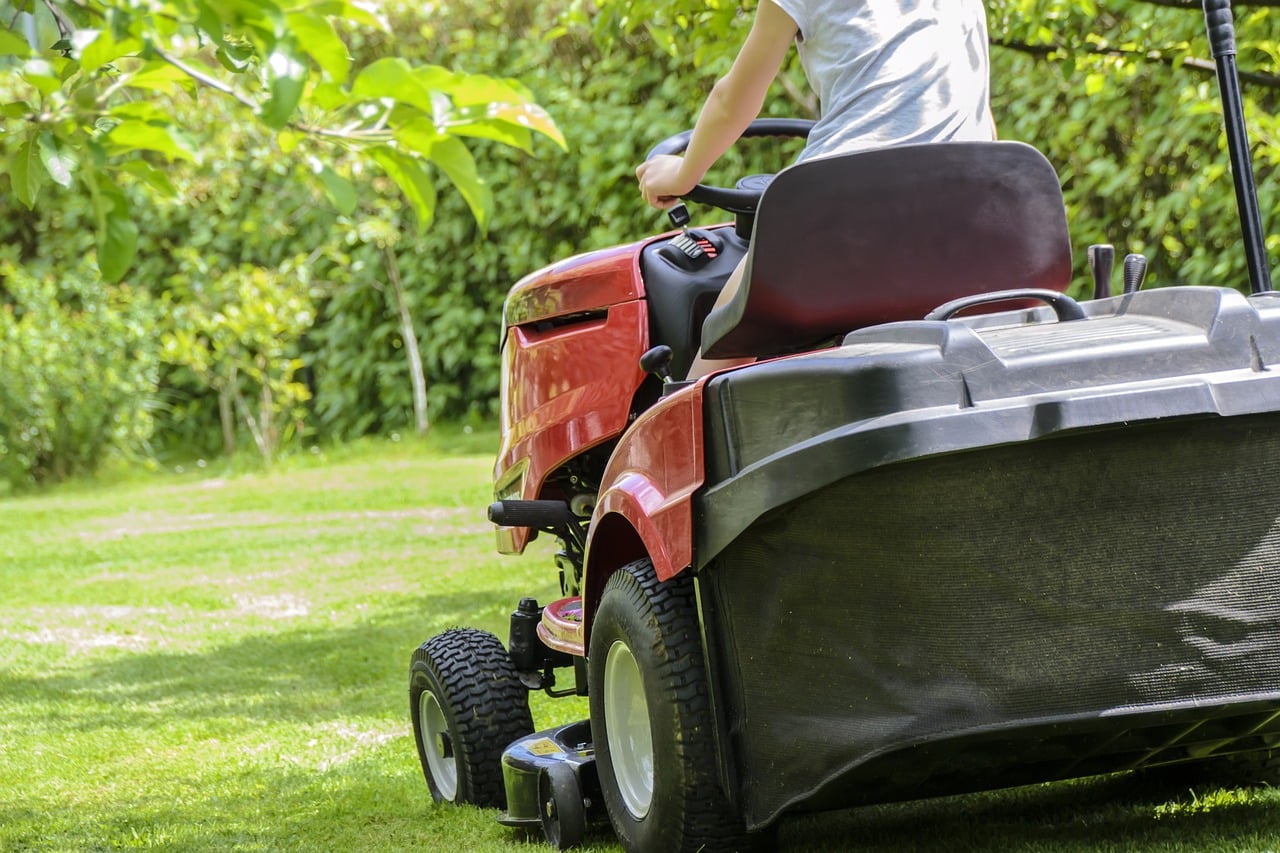
Maintaining a vibrant and healthy lawn requires year-round attention and care. Each season brings its own set of challenges and opportunities for nurturing your grass, and having a well-structured lawn care calendar can make all the difference in achieving a lush and thriving lawn. In this comprehensive guide, we’ll outline a seasonal lawn care calendar, providing tips and tasks to help you keep your lawn looking its best throughout the year.
Spring Lawn Care Tips
Spring is a critical season for lawn care, as it sets the foundation for a healthy and vibrant lawn throughout the rest of the year. Here are some essential spring lawn care tips to help you kickstart the growing season and achieve lush, green grass:
- Rake and Dethatch: Remove any debris, leaves, and dead grass that have accumulated over the winter. This will allow for better air circulation and light penetration.
- Aerate: Aerating your lawn helps loosen compacted soil, allowing nutrients, water, and oxygen to reach the grassroots. This can be done using a manual or mechanical aerator.
- Fertilize: Apply a slow-release nitrogen-rich fertilizer to promote healthy growth and green-up. Choose a fertilizer specifically formulated for spring application.
- Overseed: Fill in bare patches and promote thicker turf by overseeding with a high-quality grass seed blend suitable for your region.
- Weed Control: Apply pre-emergent herbicides to prevent weed seeds from germinating, and spot-treat any existing weeds as needed.
Summer Lawn Care Essentials
During the hot summer months, maintaining a healthy lawn requires special attention to ensure it withstands heat stress and remains lush and vibrant. Here are the essential summer lawn care tips:
- Proper Watering: Deep and infrequent watering is crucial during summer. Water early in the morning to minimize evaporation, and aim for about 1-1.5 inches of water per week, including rainfall. Ensure the soil is adequately hydrated but avoid overwatering, which can lead to fungal diseases.
- Mowing Practices: Raise your mower blade to leave grass taller, providing shade to the soil and promoting deeper root growth. However, avoid cutting more than one-third of the grass blade length at a time to prevent stress. Mow when the grass is dry to achieve clean cuts and reduce the risk of disease spread.
- Fertilization: While fertilizing in summer is less common due to the risk of burning the grass, a light application of a balanced fertilizer can provide necessary nutrients without stressing the lawn. Use a slow-release fertilizer to avoid rapid growth spurts that make grass more susceptible to heat stress.
- Pest and Weed Management: Keep an eye out for pests such as grubs, chinch bugs, and armyworms, as well as signs of weed infestation. Treat pests and weeds promptly with appropriate insecticides and herbicides to prevent damage to the lawn.
- Disease Prevention: Summer heat and humidity can create conditions favorable for fungal diseases like brown patch and dollar spot. Practice proper watering, mowing, and fertilizing techniques to promote healthy grass growth and minimize disease risk. If necessary, use fungicides as a preventive measure or to treat active infections.
- Provide Shade and Protection: Minimize foot traffic on the lawn during hot weather, as compacted soil can hinder root growth and increase stress on the grass. Consider providing temporary shade with umbrellas or shade cloth in areas prone to excessive sun exposure to reduce heat stress.
- Stay Vigilant: Regularly inspect your lawn for signs of stress, such as wilting, discoloration, or thinning areas. Adjust your lawn care practices as needed to address any issues promptly and keep your lawn healthy throughout the summer months.
Fall Lawn Care Guide
Fall is a crucial time for lawn care as it prepares your grass for the harsh conditions of winter while setting the stage for healthy growth in the following spring. Here’s a comprehensive fall lawn care guide to help you maintain a lush and vibrant lawn:
- Raking: Keep up with leaf removal to prevent suffocation of the grass and the spread of disease.
- Core Aeration: If not done in the spring, fall is another excellent time to aerate your lawn to alleviate soil compaction and improve root development.
- Overseeding: Overseed any thin or bare areas to promote thick and lush growth next spring. Choose a grass seed blend suited to your climate and soil type.
- Fertilization: Apply a fall-specific fertilizer with higher phosphorus and potassium content to encourage root growth and winter hardiness.
- Weed Control: Apply post-emergent herbicides to target perennial weeds such as dandelions and clover while they are actively growing.
Winter Lawn Care Tips
Winter lawn care is essential for preparing your grass to withstand the cold temperatures, snow, and ice while ensuring it remains healthy and vibrant for the coming spring. Here are some valuable winter lawn care tips:
- Keep Off the Grass: Minimize foot traffic on your lawn during the winter to prevent compaction of the soil, which can inhibit root growth and lead to soil erosion.
- Remove Debris: Periodically remove any debris, such as fallen branches or leaves, from your lawn to prevent suffocation of the grass and the development of fungal diseases.
- Snow Removal: If you live in an area that receives snowfall, be sure to promptly remove heavy snow from your lawn to prevent it from smothering the grass. Use a snow shovel or snow blower to clear the snow, avoiding mechanical damage to the turf.
- Avoid Salt Damage: Be cautious when using salt or de-icing products on sidewalks and driveways near your lawn, as these can cause damage to grass and other plants. Consider using alternative ice melters that are less harmful to vegetation.
- Monitor for Pests: Keep an eye out for signs of pests such as rodents or snow mold during the winter months. Take appropriate measures to prevent infestations and minimize damage to your lawn.
- Plan for Spring: Use the winter months to plan any lawn care or landscaping projects you want to undertake in the spring. This could include soil testing, lawn renovations, or planting new grass or landscaping features.
- Maintain Equipment: Take advantage of the off-season to clean and maintain your lawn care equipment, including sharpening mower blades, lubricating moving parts, and storing equipment in a dry, sheltered location.
- Consider Overseeding: In areas with cool-season grasses, consider overseeding your lawn with a cold-tolerant grass seed blend designed for winter overseeding. This can help fill in thin or bare areas and improve the overall health and appearance of your lawn.
- Protect Sensitive Plants: If you have sensitive plants or shrubs near your lawn, consider providing them with additional protection from harsh winter weather, such as mulching or covering them with burlap or other protective materials.
- Enjoy the Rest: Lastly, take advantage of the winter months to rest and recharge before the busy lawn care season begins again in the spring. Spend time indoors planning and dreaming about the beautiful lawn you’ll have when the warmer weather returns.
By following these winter lawn care tips, you can help protect your lawn from damage and ensure it’s ready to thrive when spring arrives. While winter may be a quieter time for lawn care, taking a few simple steps can make a big difference in the health and appearance of your lawn throughout the year.
Conclusion
A well-maintained lawn enhances the beauty of your home and provides a space for outdoor activities and relaxation. By following a seasonal lawn care calendar and implementing the appropriate tasks and treatments for each time of year, you can ensure that your lawn remains healthy, vibrant, and lush throughout the year. With dedication and proper care, you can enjoy a beautiful lawn that will be the envy of the neighborhood.
If you find yourself in need of professional assistance with your lawn care needs, consider reaching out to Highmark Service in Anchorage, AK. Our experienced team can provide expert guidance and services to help you achieve a healthy and beautiful lawn year-round. Contact us today to learn more about our services and how we can assist you in maintaining a thriving outdoor space.