
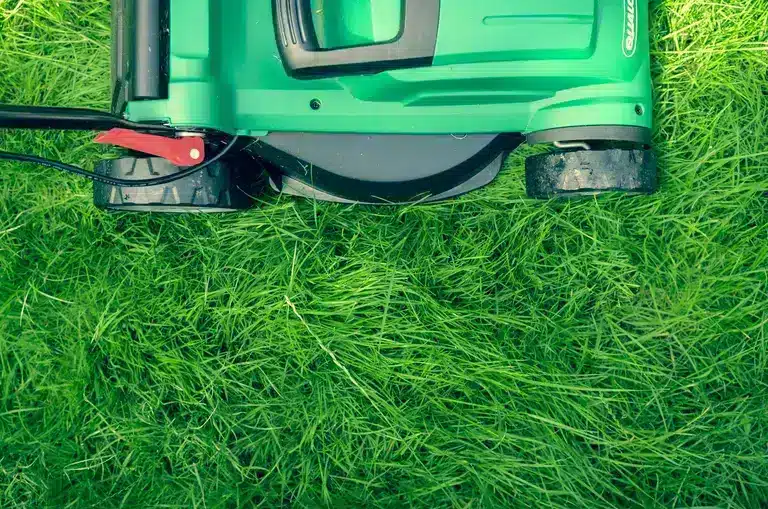
Maintaining a healthy, lush lawn is a goal for many homeowners, but achieving this can be challenging. Many people inadvertently make mistakes that hinder their lawn’s growth and overall health. Understanding these common lawn care mistakes and learning how to avoid them is essential for a thriving lawn.
Why Should You Care About Lawn Care Mistakes?
Proper lawn care is essential for several reasons beyond just aesthetics. Environmentally, poor practices like over-fertilization can lead to pollution, harming local ecosystems. Economically, mistakes such as overwatering and incorrect pest control can result in higher water bills and costly repairs. A well-maintained lawn boosts property value and enhances curb appeal, while neglect can decrease it.
Health and safety are also concerns, as overuse of chemicals can contaminate water supplies and unchecked pests pose risks. Additionally, proper care ensures a resilient lawn that lasts longer and meets community standards, contributing positively to your neighborhood.
Ultimately, a beautiful lawn provides personal satisfaction and a space for relaxation and recreation, enhancing your overall well-being.
Common Lawn Care Mistakes to Avoid
Maintaining a lush, healthy lawn involves more than regular mowing and watering. Many homeowners make common mistakes that can hinder their lawn’s health. Here are key pitfalls to avoid:
1. Cutting Too Short
Cutting your lawn too short can prevent it from absorbing sunlight properly, leading to shallow roots and increased water usage. This can also cause the grass to become susceptible to disease and pests. To avoid this, keep your grass between 2.5-3.75 inches tall and never remove more than one-third of the grass blade length at a time.
2. Dull Mower Blades
Dull mower blades can tear the grass blades rather than cut them cleanly, resulting in excessive injury to the plants and a brownish cast to the turf. Regularly sharpen or replace your mower blades to ensure a clean cut.
3. Insufficient Watering
Lawns need long, slow watering sessions to encourage deep root growth and promote healthy grass. Water your lawn 1–1.5 inches per week, allowing the water to penetrate 6 inches deep. Avoid watering in the evening, as this can lead to rot, fungal growth, and pest infestations.
4. Watering at the Wrong Time
Watering your lawn in the evening can lead to rot, fungal growth, and pest infestations. Instead, water early in the morning before the sun is overhead. This allows the grass to dry out before nightfall, reducing the risk of disease.
5. Using the Wrong Fertilizer
Choose the right fertilizer for your lawn based on its needs. Fast-release fertilizers provide quick results but can burn grass and contribute to pollution. Slow-release fertilizers are easier to apply and less likely to burn grass but take longer to show results. Organic fertilizers, like compost, add nutrients and improve soil quality.
6. Over-Fertilizing
Applying too much fertilizer can damage your grass and contribute to pollution. Follow the instructions on the fertilizer bag and avoid applying fertilizer before a rainstorm. Instead, opt for slow-release fertilizers and mulch your grass clippings to return nutrients to the lawn.
7. Applying Fertilizer at the Wrong Time
Fertilize your lawn during the spring and fall seasons, when grass growth is most active. Avoid fertilizing during the hot summer months when the grass is dormant.
8. Skipping a Soil Test
A soil test can help determine the nutrient needs of your lawn. Apply any missing nutrients to promote healthy grass growth.
9. Planting the Wrong Type of Grass
Choose the right type of grass for your climate and lawn usage. Cool-season grasses grow best in cooler temperatures and require more water, while warm-season grasses thrive in hotter temperatures and require less water.
10. Throwing Away Grass Clippings
Grass clippings can add nutrients to your lawn and reduce the need for fertilizer. Let clippings fall onto the lawn or use a mulching mower to make smaller clippings.
11. Seeding at the Wrong Time
Early fall is the best time to reseed your lawn. Spring seeding may not provide enough time for grass to become established before the summer heat.
12. Using the Wrong Weed Control Methods
Prevent weeds by maintaining a healthy lawn with the right amount of fertilizer, water, and grass seed. Use pre-emergence herbicides to prevent weed germination or organic options like corn gluten.
13. Disturbing the Neighborhood with Loud Equipment
Invest in quieter lawn equipment, like electric mowers and leaf blowers, or opt for old-fashioned push mowers to minimize noise disturbance.
14. Treating Your Lawn Like a Carpet
Reduce your reliance on chemicals and focus on promoting healthy soil and grass growth through proper watering, fertilizing, and reseeding practices.
15. Maintaining a Lawn Just to Fit In
Consider alternative low-maintenance lawn options, like no-mow grasses, creeping perennials, rock gardens, edible gardens, and succulents, if lawn maintenance isn’t for you.
Final Words
Avoiding these common lawn care mistakes is crucial for maintaining a healthy, vibrant lawn. By paying attention to mowing practices, watering schedules, fertilization, soil health, pest control, grass type selection, and seasonal maintenance, you can ensure your lawn thrives and remains beautiful year-round.
However, lawn care can be complex and time-consuming. If you’re unsure about how to manage your lawn effectively, consider seeking professional help in Alaska. Lawn care professionals can provide expert advice and services tailored to your lawn’s specific needs, ensuring it stays in optimal condition.