
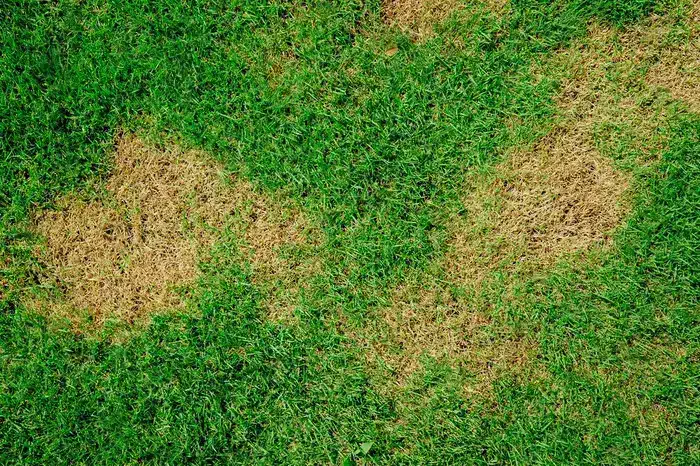
A lush, green lawn is the pride of many homeowners, but maintaining such a lawn can be challenging, especially when faced with dry grass and brown spots. These unsightly patches not only detract from the overall appearance of your yard but can also indicate underlying issues that need to be addressed.
In this comprehensive guide, we will explore the common causes of dry grass and brown spots, as well as effective strategies for treating and preventing them.
Understanding the Causes of Dry Grass and Brown Spots
Dry grass and brown spots in a lawn can be frustrating and unsightly, but understanding their underlying causes is crucial for effective treatment and prevention. Here are some common factors that contribute to dry grass and brown spots:
Insufficient Watering
One of the primary reasons for dry grass and brown spots is inadequate watering. Lawns require consistent moisture to thrive, especially during hot and dry periods. If your lawn doesn’t receive enough water, the grass can become stressed and turn brown.
Overwatering
While insufficient watering can cause dry grass, overwatering is equally harmful. Excessive irrigation can lead to waterlogged soil, which suffocates the grass roots and promotes fungal diseases like root rot. Overwatering can also wash away essential nutrients from the soil, further weakening the grass.
Soil Compaction
Compacted soil prevents water, air, and nutrients from reaching the grassroots, leading to poor grass health and the formation of brown spots. Heavy foot traffic, construction activities, and heavy machinery can all contribute to soil compaction over time.
Poor Soil Drainage
If water pools on the surface of your lawn or drains slowly, it can drown the grass roots and create brown spots. Compacted soil, heavy clay soil, or an inadequate slope gradient that prevents water from draining away properly can all contribute to poor soil drainage.
Nutrient Deficiency
Grass requires essential nutrients such as nitrogen, phosphorus, and potassium to grow and thrive. A lack of these nutrients in the soil can result in weak, discolored grass that is more susceptible to stress, diseases, and brown spots.
Pest and Disease Infestation
Insect pests like grubs, chinch bugs, and armyworms can damage grass roots and foliage, leading to brown spots and patches of dead grass. Fungal diseases such as dollar spot, brown patch, and fusarium blight can also cause brown spots by infecting and killing the grass.
Environmental Stress
Environmental factors such as extreme heat, cold, drought, or excessive shade can stress the grass and cause it to turn brown. Poor air circulation, compacted soil, and excessive thatch buildup can exacerbate environmental stress and make the grass more vulnerable to damage.
Understanding these causes is the first step toward effectively treating and preventing dry grass and brown spots in your lawn.
Treatment and Prevention Strategies for Healthy Lawns
To effectively treat dry grass and brown spots, it is essential to identify and address the underlying causes. Here are some strategies to consider:
Watering
Ensure your lawn receives adequate water by watering deeply and infrequently, preferably in the early morning to reduce evaporation. Use a rain gauge to monitor rainfall and adjust your irrigation schedule accordingly.
Soil Aeration
Aerating your lawn helps alleviate soil compaction, allowing water, air, and nutrients to penetrate deeper into the soil. Consider core aerating once or twice a year, especially in compacted areas.
Improving Drainage
Improve soil drainage by incorporating organic matter, such as compost, into the soil and installing drainage systems or French drains to redirect excess water away from your lawn.
Fertilization
Test your soil to determine nutrient deficiencies and apply a balanced fertilizer to replenish essential nutrients. Avoid overfertilization, as excessive nitrogen can burn grass and exacerbate brown spots.
Pest and Disease Control
Monitor your lawn for signs of pest infestation or disease and take appropriate measures to control them. This may include using insecticides or fungicides as directed, practicing proper mowing and watering techniques, and promoting overall lawn health.
Reseeding and Overseeding
In areas with severe brown spots or thinning grass, consider reseeding or overseeding to promote new grass growth and improve lawn density.
Proper Lawn Maintenance
Regular mowing, edging, and dethatching can help maintain a healthy lawn by promoting strong root growth and reducing competition from weeds.
Wrapping Up
Dry grass and brown spots are common lawn problems that can detract from the beauty of your landscape. By understanding the underlying causes and implementing effective treatment and prevention strategies, you can restore your lawn to its former glory and enjoy a lush, green oasis for years to come.
Remember to practice good lawn maintenance habits and monitor your lawn regularly to address any issues before they escalate. With patience and diligence, you can achieve the vibrant, healthy lawn you desire.