
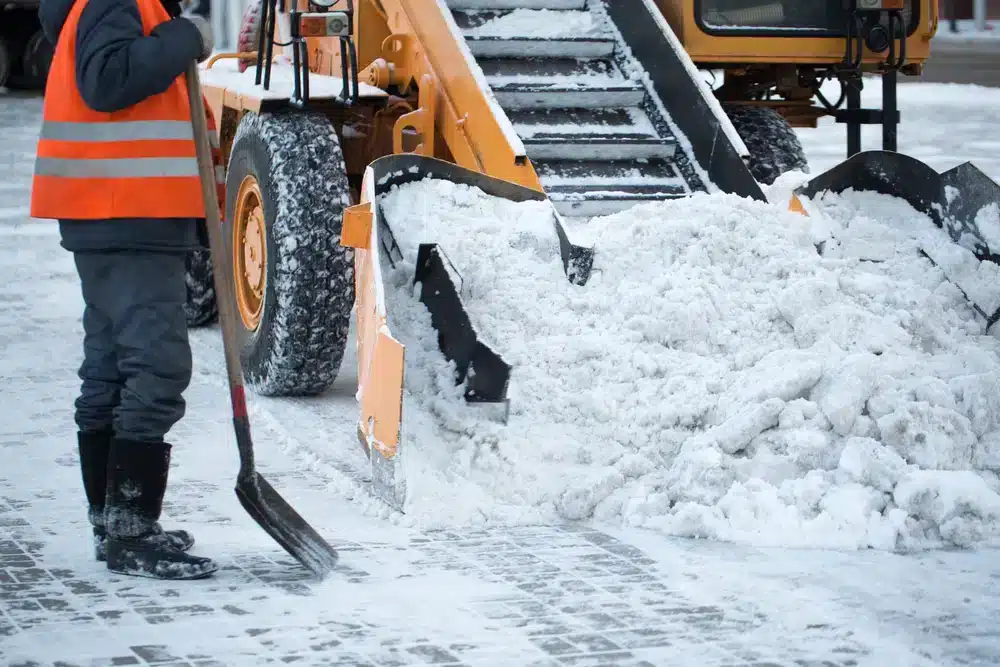
Anchorage, Alaska, is known for its long, snowy winters. Managing snow and keeping roads safe is a major logistical challenge for the city. To combat this, the Street Maintenance Division of Anchorage has implemented an organized and strategic system to ensure roads remain safe, snow-free, and passable for residents, emergency services, and commercial vehicles alike. This article explores in-depth how street sweepers and related crews prepare and perform their duties during Alaska’s most demanding seasons.
Strategic Planning and Snow Response Framework
Every year before winter begins, Anchorage’s municipality releases an updated Snow and Ice Control Plan. This comprehensive document outlines when, how, and where snow removal will take place. We prioritize streets in a tiered system.
- Priority 1: Arterial and collector roads, hospital access routes, and key intersections.
- Priority 2: Residential streets and lower-traffic areas.
- Priority Sidewalks: School routes and commercial pedestrian zones.
Snow removal starts immediately on Priority 1 roads after a storm. Once cleared, crews move on to other roads and sidewalks, ensuring timely and equitable service across the municipality.
This proactive planning is refined annually based on community feedback, data on past snowfall events, and budget allocations. Public meetings, traffic data analysis, and service audits help city planners understand which areas require more attention or faster response times.
Fleet and Equipment Readiness
The backbone of Anchorage’s snow-fighting force is its well-equipped fleet of specialized machinery. The Street Maintenance Division operates:
- Snowplows for primary snow displacement
- Graders for leveling and clearing packed snow and ice
- Front-end loaders to lift and haul excess snow
- Sidewalk plows for narrow paths and pedestrian routes
- De-icing spray trucks for chemical applications
All equipment undergoes seasonal maintenance and calibration before winter hits. Operators are trained, tested, and often cross-trained on multiple machines to ensure flexibility during staffing shortages or severe weather.
Fleet management software helps track maintenance schedules, fuel usage, and driver routes. This technology aids in dispatching the right equipment quickly to areas experiencing the worst conditions, reducing response time and increasing overall coverage.
Shift Work and Workforce Management
Anchorage employs over 100 full-time and seasonal workers for snow maintenance. During storms, shifts run 24/7 with overlapping coverage to ensure no breaks in service. We hire additional private contractors as needed, especially after large snow events (4+ inches in 24 hours) or to clear cul-de-sacs and downtown corridors.
Operators follow a rotating A/B plow schedule for residential streets to provide equal attention to different neighborhoods. This rotation ensures fairness and predictability for residents expecting plowing services.
Plow-Out Operations and Snow Hauling
When major snowfall occurs, Anchorage initiates a “plow-out.” This citywide operation begins with clearing major thoroughfares and moves progressively to smaller roads. Downtown Anchorage receives special attention, with plowing typically done overnight to minimize business disruption.
In areas where snow can’t be pushed to the side (e.g., downtown streets or narrow residential lanes), it is hauled to designated snow dump sites using trucks and loaders. The city has several official dump sites prepared in advance, and more are occasionally added during extremely heavy winters.
De-Icing and Anti-Icing Strategies
Preventing ice buildup is just as critical as removing snow. Anchorage uses liquid magnesium chloride for anti-icing. This solution is
- Applied before snowfall or freeze events
- Sprayed on pavement to prevent bonding of ice and snow
- Less corrosive and environmentally damaging than traditional salt
Anti-icing ensures roads remain safer for longer and reduces the need for mechanical scraping. Crews also use sand mixtures for added traction in steep or high-traffic areas.
The city continuously evaluates new de-icing materials, especially environmentally friendly alternatives. Research partnerships with the University of Alaska have facilitated the development of test sections of roads for the winter trials of newer compounds and innovative pre-wet systems.
Community Responsibility and Code Enforcement
Keeping roads clear is a collaborative effort. Anchorage residents are required by law to:
- Shovel adjacent sidewalks within 24 hours after snowfall
- Avoid pushing snow into streets or public rights-of-way.
- Move vehicles from streets during plow alerts (2:00 a.m.–6:00 a.m.)
The municipality can issue fines and tow vehicles that interfere with snow operations. Public outreach campaigns and digital notifications help inform citizens of their responsibilities and when plowing is scheduled.
Community engagement also includes “Adopt-a-Sidewalk” initiatives where neighborhoods organize volunteer teams to help seniors and individuals with disabilities clear walkways. This approach keeps streets accessible and builds stronger community ties.
Innovations and Continuous Improvement
The Street Maintenance Division constantly evaluates and updates its operations. Some of the ongoing innovations include
- GPS tracking of plows to improve response times and coverage monitoring
- Mobile alerts and maps showing which streets have been cleared
- Partnerships with meteorological services for better storm forecasting
- Fleet expansion to improve efficiency in high-snowfall years
Additionally, the city coordinates with Alaska DOT&PF to manage state-owned roads, ensuring consistent snow removal across jurisdictional boundaries.
Conclusion: A City-Wide Commitment to Winter Safety
Anchorage’s street sweepers and snow crews exemplify what it means to prepare, respond, and adapt to extreme winter conditions. With advanced planning, a reliable workforce, community cooperation, and investment in equipment and innovation, the city effectively keeps its roadways safe and functional—even during the harshest snowstorms.
Residents play a crucial role, too. When city departments and the public work together, Anchorage stays mobile, safe, and resilient—regardless of how much snow Mother Nature delivers.