
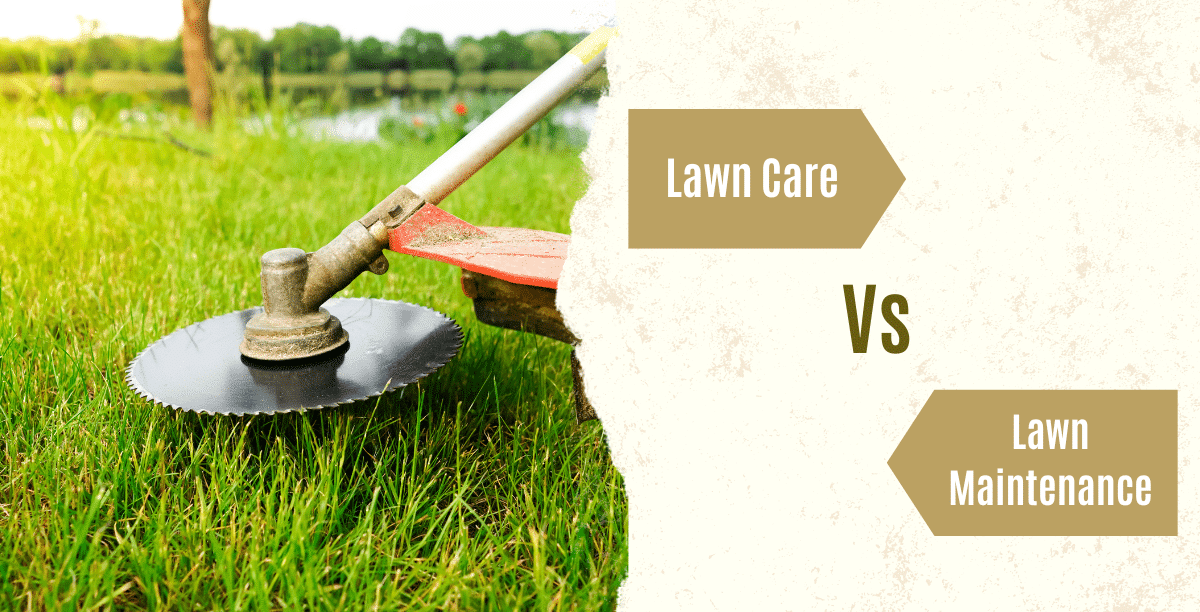
When it comes to keeping a lawn healthy and aesthetically pleasing, the terms “lawn care” and “lawn maintenance” are often used interchangeably. However, they refer to distinct aspects of lawn upkeep. Understanding the differences between these two concepts can help homeowners and property managers better plan their lawn management strategies to achieve a lush, green lawn. This article delves into the specifics of lawn care and lawn maintenance, highlighting their unique features and the services they typically include.
Lawn Care: Nurturing the Health of the Lawn
Lawn care focuses primarily on the health and vitality of the grass, soil, and the overall ecosystem of the lawn. The main goal of lawn care is to create optimal growing conditions for the grass and to address any underlying issues that may affect its health. Key components of lawn care include:
Soil Testing and Amendment
This involves analyzing the soil to determine its pH, nutrient levels, and composition. Based on the results, necessary amendments such as lime, sulfur, or organic matter are added to correct any imbalances.
Fertilization
Proper fertilization provides essential nutrients that grass needs to grow strong and healthy. Lawn care professionals tailor fertilization schedules and formulas to the specific needs of the lawn.
Weed Control
This includes the application of pre-emergent and post-emergent herbicides to prevent and eliminate weeds that compete with grass for nutrients and sunlight.
Pest and Disease Management
Identifying and treating lawn pests (such as grubs and insects) and diseases (such as fungal infections) is crucial to maintaining a healthy lawn. This may involve the use of pesticides, fungicides, or biological controls.
Aeration
Aeration involves perforating the soil with small holes to allow air, water, and nutrients to penetrate the grassroots. This helps reduce soil compaction and promotes healthier root growth.
Overseeding
Adding grass seed to existing lawns to fill in bare spots, improve density, and enhance the lawn’s overall appearance. This is especially important in the fall and spring.
Lawn Maintenance: Ensuring a Neat and Tidy Appearance
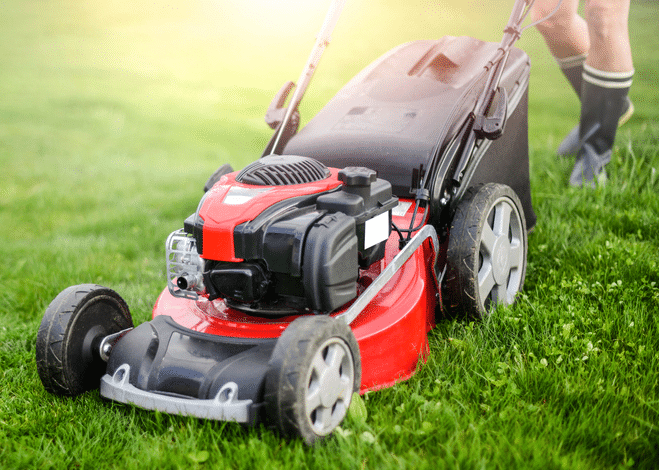
Lawn maintenance, on the other hand, focuses on the regular upkeep tasks that keep the lawn looking neat and well-groomed. It is more about the day-to-day or week-to-week activities required to maintain the aesthetic appeal of the lawn. Key components of lawn maintenance include:
Mowing
Regular mowing is essential to keep the grass at an optimal height, which promotes healthy growth and prevents the lawn from becoming overgrown. Mowing also helps control weeds by preventing them from going to seed.
Edging and Trimming
This involves cutting the grass along the edges of walkways, driveways, flower beds, and other borders to create clean, defined lines. Trimming around trees, shrubs, and other obstacles ensures a uniform look.
Leaf and Debris Removal
Regular removal of leaves, twigs, and other debris prevents them from suffocating the grass and causing bare spots. This is particularly important in the fall when leaves can accumulate quickly.
Watering
Ensuring the lawn receives adequate water, either through rainfall or irrigation systems, is crucial for maintaining its health and appearance. Proper watering practices prevent drought stress and promote deep root growth.
Mulching
Applying a layer of mulch around trees, shrubs, and flower beds helps retain soil moisture, suppress weeds, and enhance the overall look of the landscape.
Combining Lawn Care and Lawn Maintenance
While lawn care and lawn maintenance are distinct aspects of lawn management, they are complementary and often overlap. A comprehensive lawn management plan should incorporate both to ensure the lawn is not only healthy but also visually appealing. Here’s how they work together:
Healthy Lawn, Easy Maintenance
A well-cared-for lawn with strong, healthy grass is easier to maintain. Proper lawn care reduces the occurrence of weeds, pests, and diseases, making routine maintenance tasks more manageable.
Regular Maintenance, Continuous Care
Consistent maintenance practices such as mowing, edging, and watering support the efforts of lawn care. For example, regular mowing at the correct height encourages dense growth, which in turn reduces weed competition.
Professional Services vs. DIY Approach
When deciding between professional lawn care services and a DIY approach, homeowners should consider the unique advantages and disadvantages of each option.
Hiring professionals can yield superior results due to their access to high-quality products, specialized equipment, and expert knowledge. They can diagnose and address lawn issues effectively, providing convenience and freeing up your time for other priorities. However, professional services can be costly, and you may have less control over scheduling.
On the other hand, a DIY approach can save money and offers flexibility, allowing you to care for your lawn on your own terms. Many homeowners find satisfaction in maintaining their lawns themselves. However, this approach can be time-consuming and may lead to mistakes if you lack the necessary knowledge and experience. Additionally, the initial investment in equipment can be significant if you don’t already own the tools.
Ultimately, the choice between professional services and DIY lawn care depends on your budget, schedule, and personal preferences. Weighing the pros and cons of each will help you determine the best approach for maintaining a healthy and attractive lawn.
Bottom Line
Understanding the difference between lawn care and lawn maintenance is essential for achieving a healthy, attractive lawn. Lawn care focuses on the health and vitality of the lawn, addressing soil, nutrient, and pest issues, while lawn maintenance emphasizes the regular tasks needed to keep the lawn looking neat and tidy.
By integrating both aspects into a comprehensive lawn management plan, homeowners can enjoy a lush, green lawn that enhances their property’s curb appeal. Whether through professional services or a DIY approach, the key to a beautiful lawn lies in consistent care and attention.