
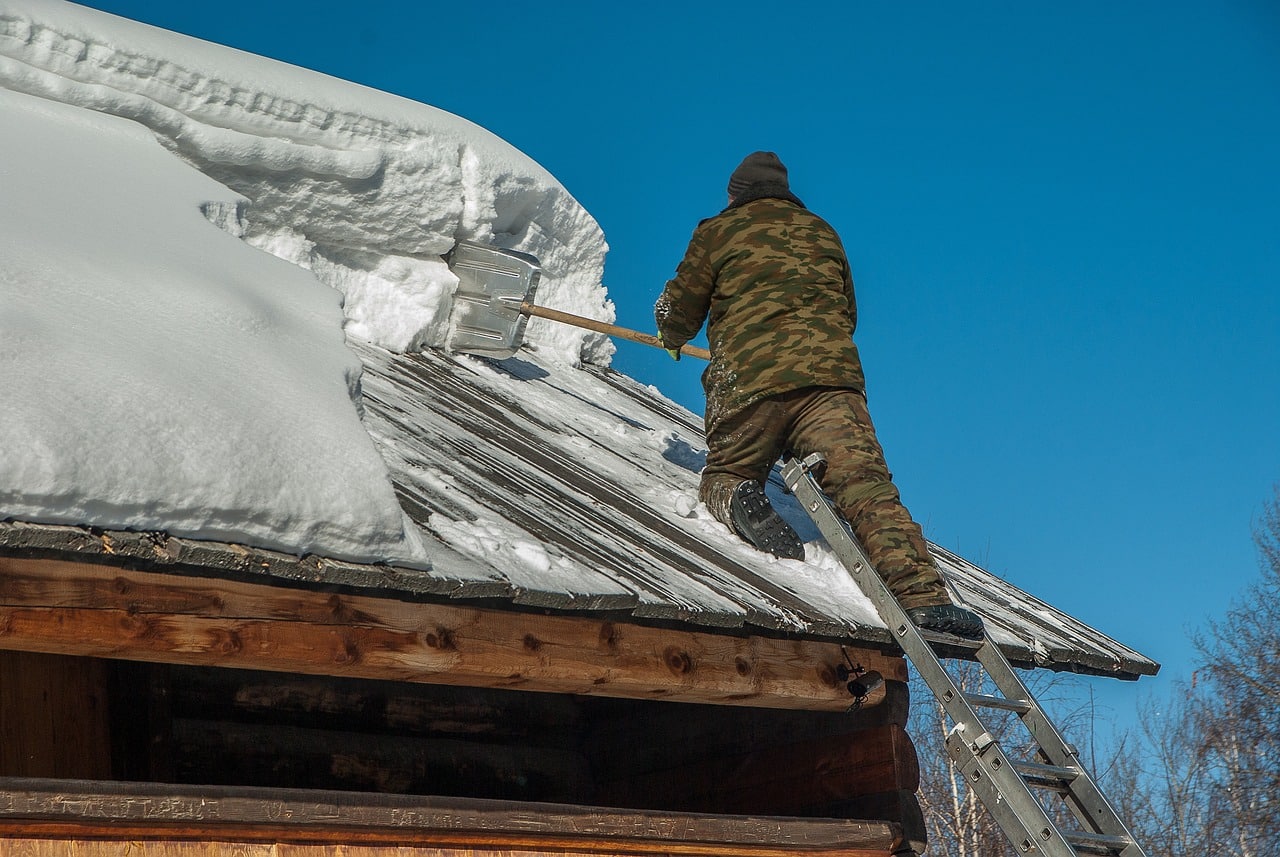
Snow removal is a crucial service for areas prone to heavy snowfall, ensuring safety, accessibility, and functionality during the winter months. Whether for residential driveways, commercial properties, or municipal roads, understanding the costs associated with snow removal is essential for budgeting and planning.
Various factors influence pricing, making it vital to grasp the nuances of the service to obtain accurate estimates and quality service. This article delves into the intricacies of snow removal costs, covering factors, pricing structures, and tips for optimizing the process.
Factors Affecting Snow Removal Costs
Several factors influence the costs of snow removal services, including:
- Property Size and Complexity: The size and layout of the property significantly impact snow removal costs. Larger areas require more time, equipment, and manpower, thus leading to higher prices. Additionally, properties with complex layouts, such as numerous obstacles or intricate landscaping, may incur additional charges due to the increased difficulty of clearing snow.
- Frequency of Service: The frequency of snow removal service is another crucial factor. Regular, ongoing contracts often result in lower costs per visit compared to one-time services. This is because regular maintenance allows for better planning and optimization of resources.
- Type of Surface: The type of surface being cleared also affects pricing. Snow removal from paved surfaces like asphalt or concrete tends to be more straightforward and less time-consuming than from gravel or uneven terrain. Moreover, delicate surfaces such as wooden decks or fragile landscaping may require specialized equipment or techniques, adding to the overall cost.
- Snowfall Depth and Density: The amount and type of snowfall influence the complexity of the removal process. Heavy, wet snow is more challenging to clear and may require specialized equipment, resulting in higher costs. Similarly, deeper snow accumulation necessitates more time and resources for removal, impacting pricing accordingly.
- Accessibility and Obstacles: Accessibility to the property and the presence of obstacles can affect pricing. Properties with limited access or obstacles like parked vehicles, outdoor furniture, or structures may require extra time and effort to clear effectively, leading to higher costs.
- Location: Regional factors such as climate, average snowfall, and local regulations can also influence snow removal costs. Areas with harsher winters or higher demand for snow removal services may have higher prices compared to regions with milder climates.
Pricing Structures for Snow Removal Services
Snow removal services typically employ several pricing structures:
Flat-Rate Pricing
Some snow removal companies offer flat-rate pricing, where customers pay a fixed fee per visit or for the entire season. This pricing structure provides predictability and simplicity for budgeting purposes, but it may not accurately reflect the varying factors that affect the cost of service.
Hourly Rates
Hourly rates are another common pricing structure, where customers are charged based on the amount of time spent clearing snow. This method accounts for variables such as property size, snow depth, and complexity, offering more flexibility in pricing. However, hourly rates may fluctuate depending on the duration of each visit and can be less predictable than flat-rate pricing.
Per-Inch Pricing
Some snow removal companies charge per inch of snowfall, providing a transparent and proportional pricing model. Customers are billed based on the depth of snow accumulated since the previous visit, ensuring that they only pay for the amount of service received. Per-inch pricing is often used in conjunction with other pricing structures to account for varying snowfall amounts.
Tips for Optimizing Snow Removal Costs

To optimize snow removal costs, consider the following tips:
- Plan Ahead: Schedule snow removal services in advance to secure preferred pricing and ensure availability during peak winter months. Long-term contracts or seasonal agreements may offer discounts compared to on-demand services.
- Communicate Needs Clearly: Clearly communicate your specific snow removal needs, including property size, layout, and any special requirements or preferences. Providing detailed information allows snow removal companies to provide accurate estimates and tailor their services to meet your needs effectively.
- Consider Maintenance Plans: Explore maintenance plans or seasonal contracts that include regular snow removal visits throughout the winter. These plans often offer cost savings and priority scheduling, ensuring prompt and reliable service when needed most.
- Evaluate Multiple Quotes: Obtain quotes from multiple snow removal companies to compare pricing, services, and terms. Don’t solely focus on the lowest price; consider factors such as reputation, reliability, and the scope of services offered when making your decision.
- Review Contracts Thoroughly: Before committing to a snow removal contract, carefully review the terms and conditions, including pricing, cancellation policies, and service guarantees. Ensure that all agreements are documented in writing to avoid misunderstandings or disputes later on.
Snow Removal Costs Breakdown in Anchorage
The city’s extreme weather conditions, such as heavy snowfall and below-freezing temperatures, which call for specialized equipment and techniques, have an impact on snow removal costs in Anchorage, Alaska. The extended winter season from October to April requires continuous snow management, contributing to higher overall costs.
Additionally, the high demand for snow removal services in Anchorage leads to competitive pricing, reflecting the city’s collective need for reliable and timely snow clearance.