
In Anchorage, pavement management doesn’t stop when the snow melts; it simply changes form. For property managers, commercial lot owners, and storage facility operators, it’s clear: comparing Anchorage spring vs. fall sweeping needs & methods is essential to preserving your surfaces and keeping operations running smoothly. Each season brings a distinct set of cleanup demands, and ignoring either one can lead to long-term damage, safety issues, and costly violations.
Understanding the root of seasonal debris issues and tailoring your sweeping strategy accordingly isn’t a matter of preference. It’s about protecting your investment and staying ahead of Anchorage’s unique environmental patterns.
What Makes Spring Sweeping in Anchorage So Urgent?
After six months of snow buildup, spring cleanup isn’t just routine—it’s a recovery operation. Sand and gravel used for traction during icy months accumulate in thick layers across asphalt surfaces. As snowbanks recede, these materials are left behind, grinding into pavements and clogging drainage systems.
Spring sweeping focuses on:
- Removing heavy sediment like traction gravel, cinders, and sand
- Preventing long-term surface damage from embedded debris
- Clearing storm drains to reduce localized flooding
- Restoring visual clarity and accessibility after months of snow cover
For facilities like storage yards and large parking lots, this buildup can pose both liability and operational concerns. Without a thorough post-thaw sweep, asphalt degradation accelerates, leading to crack formation and drainage backups, especially on older lots not designed for heavy seasonal sediment.
Anchorage city ordinances also enforce timely sweeping, particularly for commercial properties that border public roadways. Missing this window isn’t just about aesthetics—it could mean compliance issues and avoidable fines.
Why Fall Sweeping Requires a Different Game Plan
Fall sweeping isn’t about removing accumulated material—it’s about preparing your property for what’s to come.
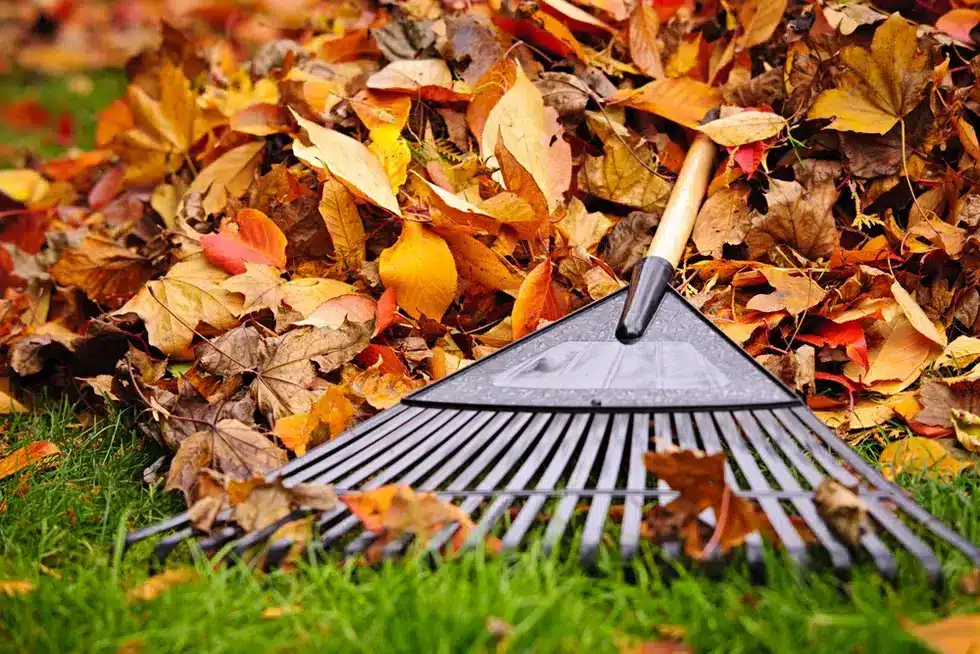
As leaves drop and winds rise, organic debris spreads rapidly across paved surfaces. Left unchecked, this matter breaks down and infiltrates cracks, softening the structure of your asphalt. Moisture retention becomes a greater risk, especially when paired with Anchorage’s early freeze cycles.
Key fall concerns include:
- Leaf accumulation in catch basins and gutters
- Fine dust and tree debris acting as slip hazards
- Organic buildup accelerating freeze-thaw erosion
- Blocked drainage paths increasing early-season ice patches
Unlike spring, fall sweeping must be more frequent and lighter in approach. Debris can appear overnight, and if sweeping is delayed even a few weeks, Anchorage’s unpredictable weather may seal your pavement in organic matter all winter long.
Tailoring Methods by Season
When comparing Anchorage’s spring vs. fall sweeping needs & methods, it’s clear that technique matters just as much as timing.
Spring Sweeping Methods:
- Mechanical broom sweepers are the industry standard due to their ability to capture heavy sediment loads.
- Multiple passes may be required depending on how much gravel and sand accumulated during the winter.
- Water suppression systems help minimize dust, which is especially critical on active commercial properties.
Fall Sweeping Methods:
- Regenerative air sweepers excel at pulling lightweight debris from corners and curbs.
- Higher frequency of sweeps ensures organic matter doesn’t have time to decay and bond with asphalt.
- Targeted clearing of drainage paths is prioritized to prevent freeze-ups.
For both seasons, Alaska Park and Store relies on properly timed services to keep lots in top condition. Our parking lot sweeping and commercial sweeping services ensure clients aren’t caught off guard—whether it’s gravel or leaves making trouble.
Overlooked Consequences of Poor Sweeping Timing
Let’s talk risk. While it may be tempting to delay sweeping—especially in the fall when snow arrives unpredictably—doing so increases liability. Here’s why:
- Surface damage costs stack up fast. Asphalt repair isn’t cheap. If sediment or organic matter stays too long, it eats away at the binder material and worsens with each freeze cycle.
- Blocked drainage invites ice. Wet debris acts like a sponge, holding moisture right where it shouldn’t be on your driving surfaces.
- Safety and slip hazards multiply. Fine dust, leaves, and gravel create traction problems for both vehicles and pedestrians, raising the risk of injury or accident.
- Visual and brand impact suffer. For commercial and storage lot operators, first impressions matter. A cluttered lot doesn’t just look bad; it suggests poor upkeep to customers.
Anchorage-Specific Conditions That Make Sweeping a Must
Anchorage’s unique combination of urban development and natural surroundings increases the debris load on paved surfaces. Nearby spruce trees drop acidic needles that break down rapidly, worsening the organic decay cycle. Winds from Turnagain Arm and Knik River blow fine dust and debris across flat lots, especially in fall.
According to Anchorage’s official street maintenance guidelines, timely sweeping is vital to minimize pollutants entering waterways and reduce particulate matter in the air, both common issues in Anchorage’s changing climate.
That means sweeping isn’t just good property management. It’s part of being a responsible Anchorage business.
People Also Ask:
Is spring or fall sweeping more important in Anchorage?
Both are essential but serve different goals. Spring sweeping restores surface conditions and clears sediment, while fall sweeping prevents organic damage and preps the site for winter. Skipping either can result in surface erosion or safety hazards.
What’s the best sweeping method for large commercial lots?
High-dump mechanical broom sweepers are ideal for spring, as they handle dense gravel loads. In fall, regenerative air sweepers or vacuum trucks offer better results for fine organic matter.
Can skipping sweeping affect Anchorage stormwater compliance?
Yes. Sediment and organic material entering the storm system can lead to violations of local environmental codes. Commercial sites are especially scrutinized during spring runoff and fall rain events.
Anchorage Property Owners: Don’t Let the Season Decide for You
If you’re comparing Anchorage spring vs. fall sweeping needs & methods to decide what’s more urgent, know this: both serve completely different but equally essential roles. Spring addresses recovery. Fall is your line of defense.
Let’s get ahead of it together. At Alaska Park and Store, we offer professional sweeping services that match Anchorage’s climate demands, not a cookie-cutter calendar. Whether you manage a commercial lot, a self-storage yard, or an industrial site, we’ll ensure your paved surfaces stay safe, clean, and compliant year-round.
Ready for a quote or seasonal sweep plan? Request your sweeping estimate here, and we’ll tailor a service schedule that works with your property, not against it.