
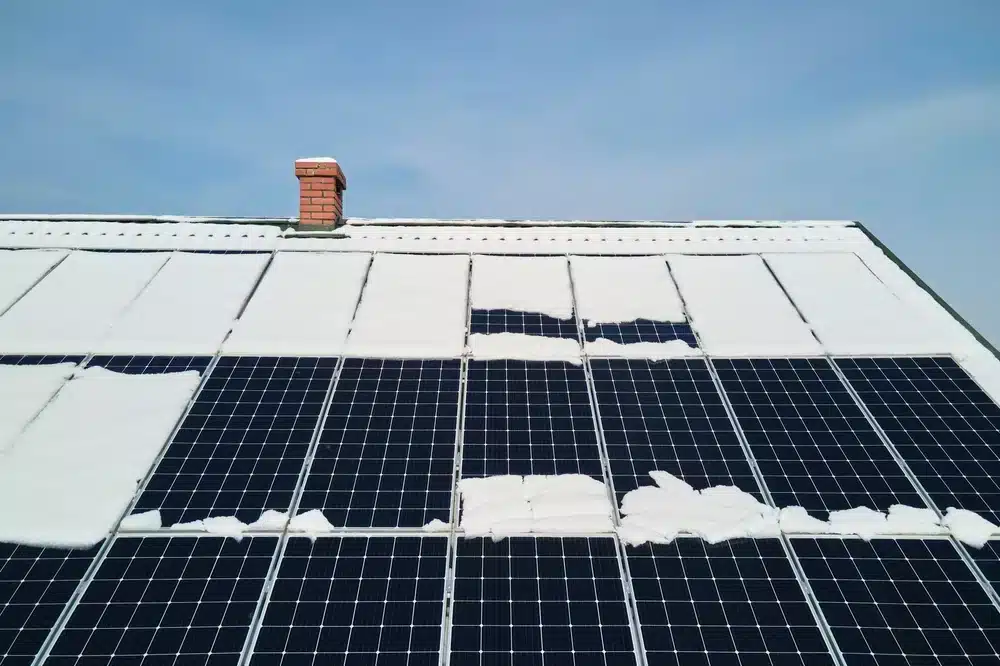
Winter brings picturesque landscapes blanketed in snow, but for commercial property owners and managers, it also presents challenges, particularly concerning the accumulation of snow on roofs. The importance of snow removal from commercial roofs cannot be overstated.
Beyond the aesthetic concerns, failure to adequately manage snow buildup can lead to a range of safety hazards, structural damage, and operational disruptions. This article delves into the critical reasons why proactive snow removal is essential for commercial properties.
Understanding Commercial Snow Removal for Roofs
Understanding commercial snow removal for roofs necessitates a careful assessment of the roof’s design and structural integrity, followed by the creation of a thorough removal plan. Utilizing specialized equipment like roof rakes, snow blowers, and aerial lifts, professionals prioritize safety by employing rigorous training and adhering to strict protocols.
Techniques such as gentle snow dislodging and careful snow disposal address environmental concerns while ensuring minimal damage to roofing materials. Regular maintenance and monitoring throughout the winter season are essential for effective snow removal and the preservation of commercial roof integrity.
Why is Snow Removal from Commercial Roofs so Important?
Snow removal from commercial roofs is critically important for several reasons:
Structural Integrity
Commercial roofs are designed to bear specific loads, but excessive snow accumulation can exceed these capacities, leading to structural damage or even collapse. Snow is deceptively heavy, especially when wet, with a cubic foot of compacted snow weighing between 30 and 40 pounds (13.6 and 18.1 kilograms).
Roofs with existing structural weaknesses or compromised integrity due to age or damage are particularly vulnerable. Regular snow removal helps prevent overloading, safeguarding the structural integrity of the building.
Safety Concerns
Snow accumulation on commercial roofs poses significant safety risks to both building occupants and passersby. When snow melts and refreezes, it forms ice dams along the roof edges, creating a hazard for falling ice and snow.
Additionally, sudden roof avalanches can endanger individuals below, including pedestrians, employees, and customers. Prompt snow removal mitigates these dangers, reducing the risk of injuries and liability for property owners.
Preventing Water Damage
As snow melts, it can infiltrate roofing materials and seep into the building, causing water damage to ceilings, walls, and valuable assets. This moisture intrusion can lead to mold growth, compromise insulation, and damage electrical systems.
Moreover, prolonged exposure to moisture weakens the structural components of the roof, exacerbating the risk of leaks and eventual failure. By promptly removing snow, property owners can prevent costly water damage repairs and preserve the longevity of their buildings.
Ensuring Operational Continuity
For businesses operating within commercial properties, uninterrupted operations are crucial for profitability and customer satisfaction. Snow accumulation on roofs can disrupt normal business activities by causing leaks, structural damage, or safety hazards that necessitate temporary closures or evacuations.
By proactively removing snow, businesses can maintain continuity, avoid downtime, and uphold their commitments to customers and stakeholders.
Compliance with Building Codes and Insurance Requirements
Many municipalities and insurance policies require property owners to maintain their buildings in a safe and structurally sound condition, which includes snow removal from roofs.
Failure to comply with these regulations can result in fines, penalties, or the nullification of insurance coverage in the event of damage or accidents. Regular snow removal not only ensures compliance but also demonstrates a commitment to safety and responsible property management.
Preserving Roof Longevity
Snow accumulation, particularly when combined with freezing and thawing cycles, accelerates the deterioration of roofing materials. The repeated expansion and contraction caused by temperature fluctuations can compromise the integrity of roof membranes, leading to cracks, leaks, and premature aging.
By promptly removing snow, property owners can extend the lifespan of their roofs and minimize the need for costly repairs or replacements.