
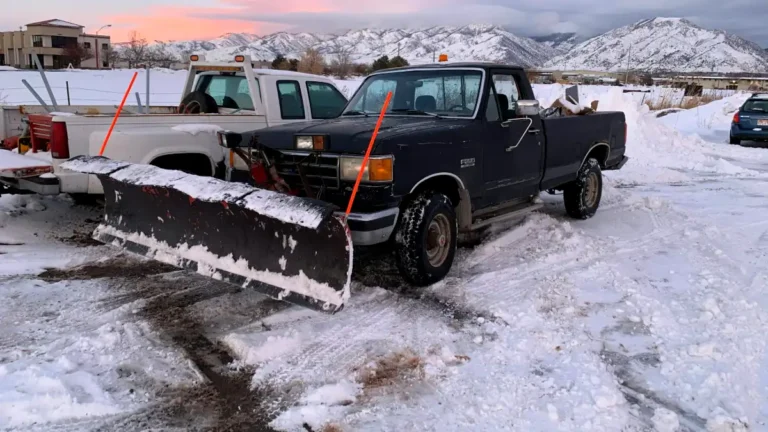
The first real storm of the season always sorts Anchorage into two groups. On city streets, residents wait for the municipal plow. On a lot of Hillside roads, nobody is coming unless somebody signed a contract. If you live on a private road, a shared access drive, or in a Limited Road Service Area, the quality of your winter depends almost entirely on one document: your private road snow plowing contract.
This guide is written for the people who end up holding that document. LRSA board members, road association volunteers, HOA managers, and the neighbor who somehow became “the road person” for five houses on a shared drive. It covers who is actually responsible for your road, which contract structure fits, what the contract should spell out, and how to compare bids without getting surprised in January.
In Short
- Many Anchorage roads, especially on the Hillside, are not plowed by the Municipality. They are maintained by road service areas, associations, or the owners themselves.
- A good private road contract defines the trigger depth, route priority, berm handling, sanding, hauling, and who pays for damage before the first storm, not after.
- Seasonal contracts give road boards a predictable budget. Per-push contracts only make sense for short roads in light winters.
- The road’s condition in October decides how well it plows all winter. Grade, mark, and clear culverts before freeze-up.
Who Is Responsible for Plowing Private Roads in Anchorage?
It depends on who owns and maintains the road, and on the Hillside that is often not the city. The Municipality of Anchorage notes in its Snow and Ice Control Plan that most streets on the Hillside, in Girdwood, and in Eagle River are privately maintained.
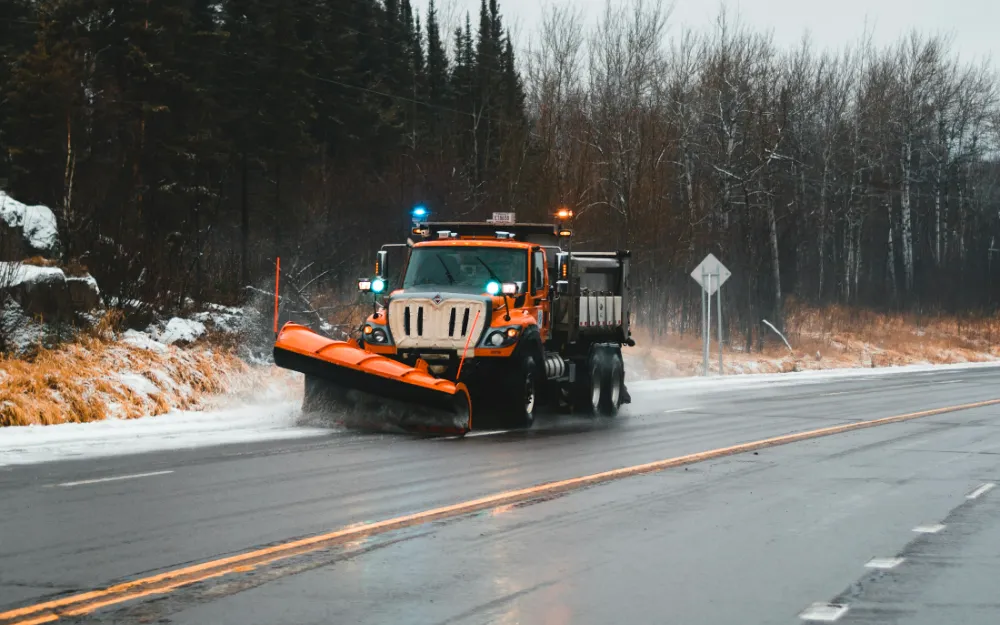
In practice, an Anchorage road usually falls into one of four groups:
| Road type | Who arranges plowing | Typical decision-maker |
|---|---|---|
| Municipal (ARDSA) or State road | City or State street maintenance crews | None needed from residents |
| Limited Road Service Area (LRSA) | Private contractor hired by the service area | Elected LRSA Board of Supervisors |
| Private subdivision or HOA road | Private contractor hired by the association | HOA board or property manager |
| Shared private drive or non-service-area road | Private contractor or the owners themselves | The owners, often informally |
The Municipality’s LRSA program covers 21 service areas on the Hillside. Each has an elected board that sets the scope of work and directs a private contractor chosen through competitive bids, and that scope includes snow removal and ice control along with summer grading and ditching. A 2007 Hillside District Plan study found that LRSAs covered about 22% of Hillside roads, while 46% sat outside any service area at all. That second group is where the “who calls the plow?” problem lives.
If you are not sure which group your road belongs to, the Municipality’s street maintenance maps show road ownership and LRSA boundaries. Once you know, the next question is what kind of agreement fits. Highmark’s private road and subdivision maintenance work covers every group except the city and state roads.
Who Signs the Contract: Boards, Associations, and Neighbors
The contract structure should match who is paying. A clear signer avoids the most common private road fight: a contractor who doesn’t know who to call, and neighbors who each assume someone else did.
- LRSA boards work from a tax-funded budget held by the Municipality. They typically need a written scope of work, comparable bids, and a contract term that lines up with the budget year. Only board members should request service from the provider.
- HOAs and road associations sign on behalf of members and usually want one invoice, one point of contact, and clear performance standards they can point to if members complain.
- Shared-drive neighbors need a simple written agreement among themselves first: who signs, how costs split (equally or by frontage), and who the contractor calls after a storm.
Whatever the structure, name a single contact person in the contract. During a heavy storm, the crew needs one phone number for gate codes, parked cars, or a blocked turnaround, not five.
Contract Types for Private Road Snow Plowing
Most private roads in Anchorage are best served by a seasonal contract. The general contract models are the same ones covered in our guide to what a snow removal contract includes, but the trade-offs shift when the property is a road instead of a driveway.
| Contract type | How you pay | Best fit | Risk for road boards |
|---|---|---|---|
| Seasonal | One fixed price for the winter, every qualifying storm included | Most LRSAs, HOAs, and longer private roads | Pay the same in a light winter |
| Per-push / per-event | Billed each time the road is cleared | Short, flat shared drives | Budget blows up in a heavy, stacked-storm winter |
| Hybrid | Seasonal base plus extra charges for hauling, sanding, or extreme events | Roads with limited snow storage | Extras need clear rates in writing |
| Time and materials | Hourly equipment rate plus materials | One-off cleanups, hauling, berm work | Hardest to budget |
A seasonal contract also protects your place on the route. Contractors build routes before the first snow, and properties already under contract are cleared first. For road boards, that matters as much as price. Our Anchorage snow removal cost guide explains why seasonal pricing usually wins in an average or heavy winter.
What a Private Road Snow Plowing Contract Should Include
A strong contract answers every question a resident will ask in February. Use the sections below as your scope of work.
1. The exact road and areas covered
List the road length, every turnaround and cul-de-sac, mailbox clusters, shared parking pads, and the point where the road ends and individual driveways begin. Say whether driveways are included or quoted separately. Most disputes start with a stretch of road nobody wrote down.
2. Trigger depth and response time
The trigger depth is the snowfall amount that sends the crew out automatically, without anyone calling. Write it down in inches. Also state when clearing starts (during the storm, or after it ends) and the expected window to have the road open. On steep Hillside grades, a lower trigger often makes sense because packed snow on a hill becomes ice quickly. Our guide to snow removal trigger depth explains how to choose the right number.
3. Plowing vs. blowing
Plows push snow to the shoulders. Tractor-mounted blowers throw it clear. On a private road, plowing is usually the main tool, but blowing is valuable where there is nowhere left to push, like cul-de-sacs, narrow roads lined with trees, and approaches to driveways. Ask which equipment will be used where.
4. Berm management
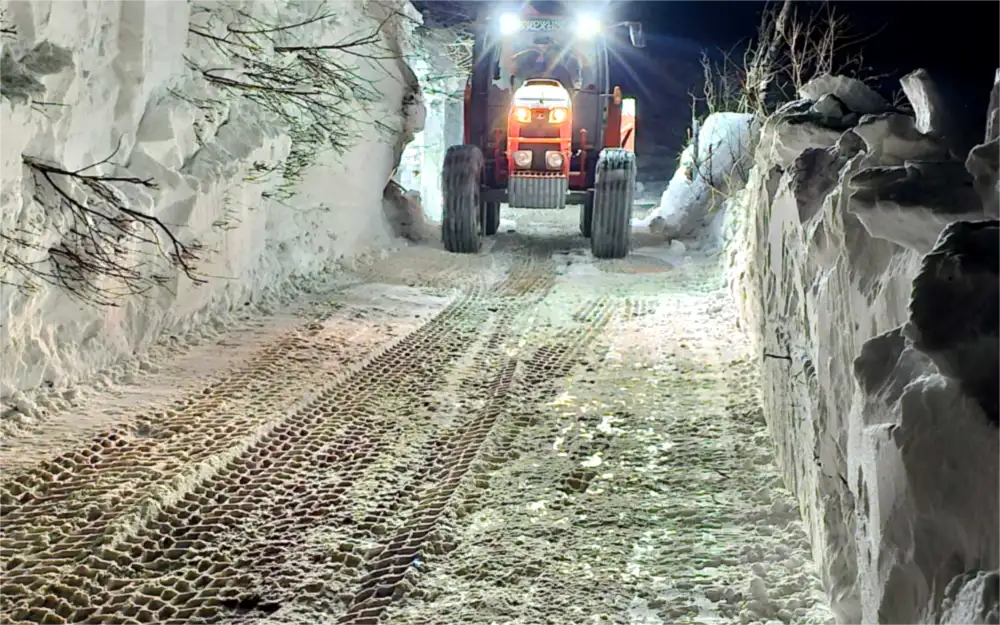
Every plow pass leaves a ridge of packed snow on the shoulders and across driveway entrances. Over a season, those berms narrow a two-lane road to one. The contract should say whether berm removal is included, how often roads are “winged back,” and how driveway-entrance berms are handled. Timing matters more than horsepower here, as our post on berm removal in Anchorage explains: soft berms are cheap to move, frozen ones are not.
5. Sanding and ice control
Snow is the easy part on a hill. After a Chinook and a hard refreeze, an unsanded private road can become impassable. State whether sanding is included, what triggers it (freeze-thaw events, specific grades, intersections, curves), and how it is billed. Sand works at any temperature, while most ice melt chemicals stop working in deep cold. See our guide to ice control in Anchorage for what to put down and when.
6. Snow hauling
By mid-winter, many private roads simply run out of room. Shoulders fill, ditches disappear, and the road narrows with every storm. Spell out when hauling happens (a set threshold, or by board request), how it is priced, and where the snow goes. Our comparison of snow blowing vs. snow hauling covers the signs that a road needs hauling.
7. Winter grading and ice ruts
Traffic on packed snow builds ruts and ridges that make steep roads dangerous and plowing less effective. Ask whether the contractor can grade the winter surface, and whether that is included or billed separately. It is one of the winter services that separates road maintenance from basic plowing. Our guide to ice rut removal in Anchorage covers how winter grading levels a rutted road.
8. Property damage, markers, and hidden hazards
Plows can catch culvert ends, mailboxes, landscaping edges, and gravel surfaces. The contract should say who marks hazards, who sets reflective edge stakes, and how damage claims are reported and resolved. Mark gas meters, fire hydrants, and culvert ends before the first storm. Our guide to preventing snow plow damage covers the most common issues.
9. Insurance and liability
Ask for a certificate of insurance naming the LRSA, HOA, or road owners where appropriate. Clarify who is responsible for conditions on the road between visits. Our post on Anchorage snow removal liability explains why documented, professional maintenance matters if someone is hurt.
10. Communication and documentation
State how residents and the board are notified (text, email, or a group contact), how complaints are routed, and whether the contractor logs each visit with time stamps. Service logs help boards answer residents and protect everyone if a claim comes up.
Prepare Your Private Road Before the First Storm
The condition of your road at freeze-up sets the quality of every plow pass until breakup. Anchorage typically sees its first measurable snow by mid-October, so this work belongs in late summer and early fall.
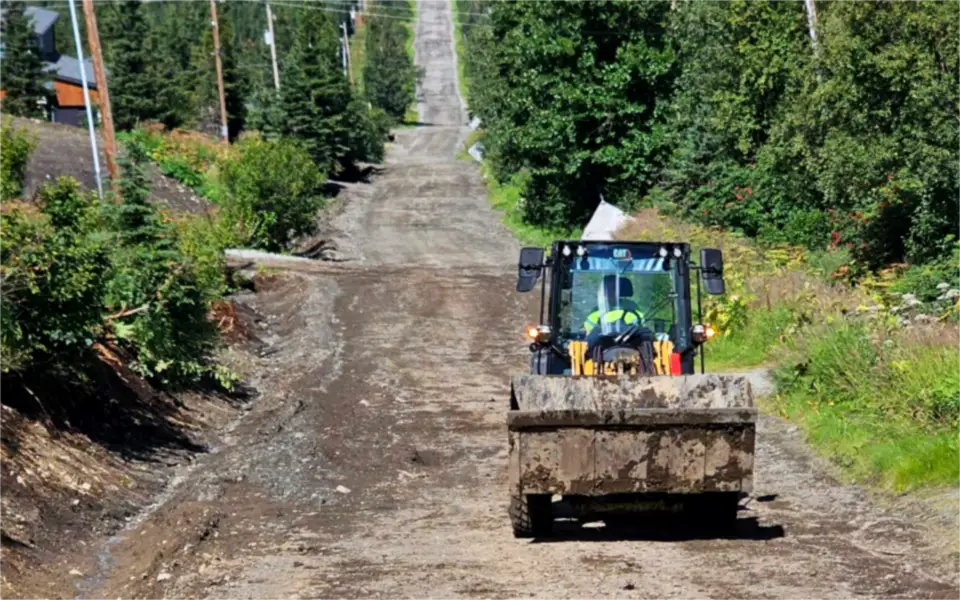
- Grade the road and restore the crown. Potholes and washboard freeze into place and catch plow blades all winter. Our article on how often to grade a gravel driveway explains why the late-summer pass matters most, and it applies to private roads too.
- Fix drainage. Water that pools on the road in fall becomes ice in winter. Open ditches and check culverts for crushing or blockage.
- Set reflective markers along edges, culvert ends, and soft shoulders so operators can hold the road line under snow.
- Agree on snow storage. Decide where snow can be pushed and stacked, and confirm residents won’t push driveway snow back into the road.
- Share an access list. Gate codes, contact numbers, and any properties with special needs (steep driveways, medical access).
If your road needs grading work, see road grading services for what a proper corrective grade includes.
Red Flags When Comparing Bids
The cheapest bid is often the one with the most left out. Watch for these:
- No trigger depth written in the contract.
- Sanding, berm removal, or hauling “available on request” with no listed rate.
- No certificate of insurance.
- A pickup with a straight blade quoted for a long, steep road with cul-de-sacs.
- No backup plan if equipment breaks down mid-storm.
- Vague coverage language like “main road” instead of a defined route.
After Winter: Breakup and the Road’s Next Season
Private road maintenance doesn’t stop when the snow does. Breakup leaves sand and gravel on the road surface and in the ditches, and freeze-thaw damage shows up as potholes and soft spots. Spring street and lot sweeping clears winter traction sand, and a summer grade rebuilds the surface before next winter. Many road boards find it simpler to keep winter and summer work with one contractor who knows the road in every season.
Get a Private Road Snow Plowing Quote
Highmark Services maintains private roads, subdivision roads, and long shared drives across South Anchorage and the Hillside, with plowing, tractor snow blowing, sanding, berm removal, snow hauling, and winter grading under one contract. Individual homeowners on those roads can also add residential driveway snow removal so the road and the driveway are cleared by the same crew.
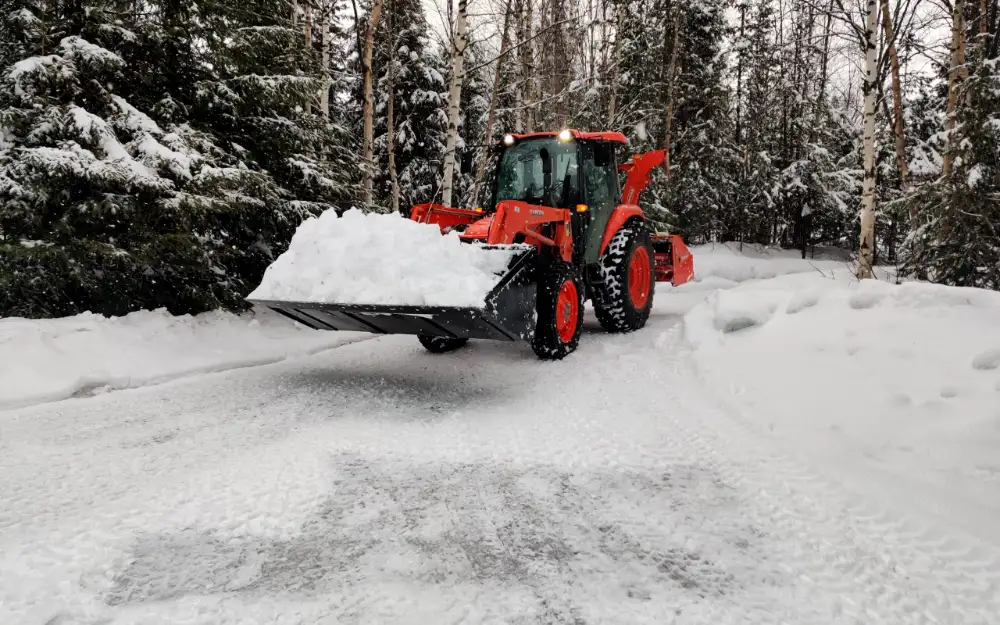
Routes fill before the first big storm. Call 907-782-6339 or request a quote to get your road on this winter’s schedule.
Frequently Asked Questions
Does the Municipality of Anchorage plow private roads?
No. The Municipality plows city-maintained streets. Private roads, subdivision roads, and roads inside Limited Road Service Areas are maintained by private contractors hired by the owners, association, or service area board.
What is an LRSA, and how does it handle snow removal?
An LRSA is a Limited Road Service Area, set up under Anchorage Municipal Code Title 27 to maintain rural Hillside roads. Each one has an elected board that hires a private contractor through competitive bids for grading, ditching, dust control, snow removal, and ice control.
Who pays for snow plowing on a shared private road?
The owners who use the road. Most neighbors split costs equally or by road frontage, and put the arrangement in a short written agreement that also names one contact for the contractor.
Is a seasonal or per-push contract better for a private road?
Seasonal is better for most private roads. It locks in the winter budget, covers every qualifying storm, and secures a spot on the contractor’s route before the season fills. Per-push only suits short, flat roads in light winters.
What trigger depth should a private road contract use?
It depends on grade and traffic. Steep Hillside roads usually need a lower trigger than flat roads because packed snow on a slope turns to ice quickly. Agree on a specific number in inches and write it into the contract.
Does a private road plowing contract include sanding and berm removal?
Not always. Many quotes cover plowing only and bill sanding, berm removal, and hauling as extras. Ask for each one by name and get the rate in writing before you compare bids.
When should a road board sign a snow contract?
Before the first measurable snow, which usually arrives by mid-October in Anchorage. Contractors serve properties already under contract first, so late sign-ups often wait behind a full route.